The slowest link in the chain decides it, and it is rarely the drive
The best portable SSDs for 2026
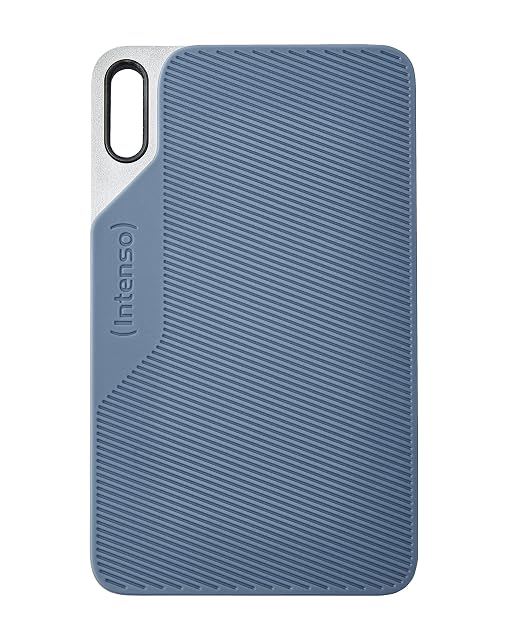
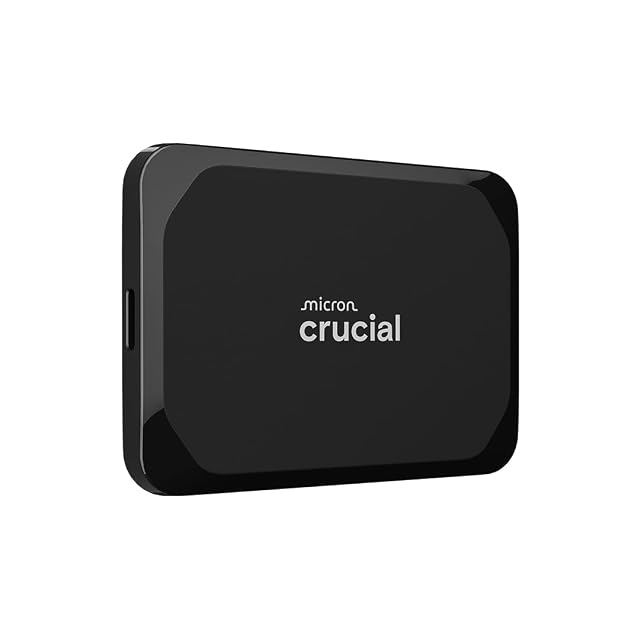
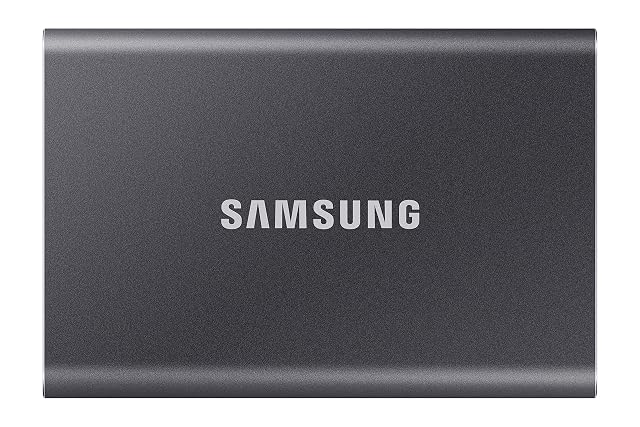
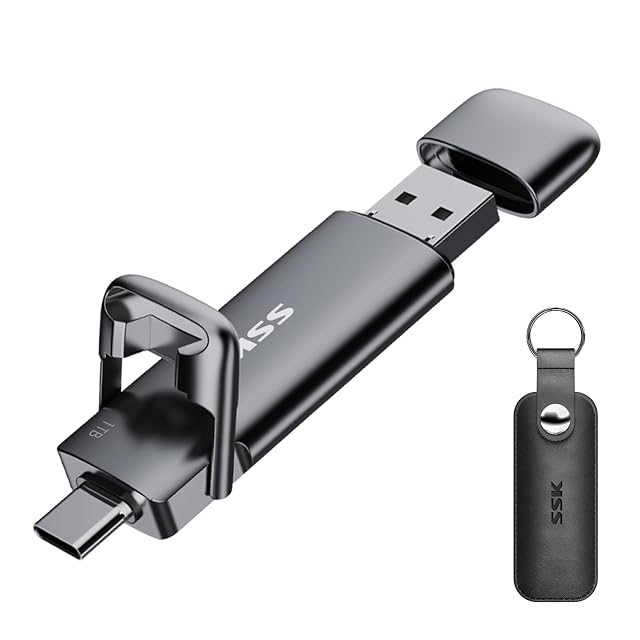
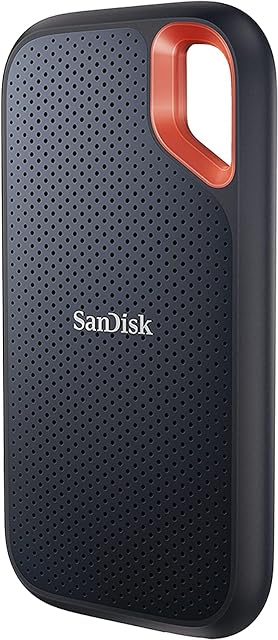
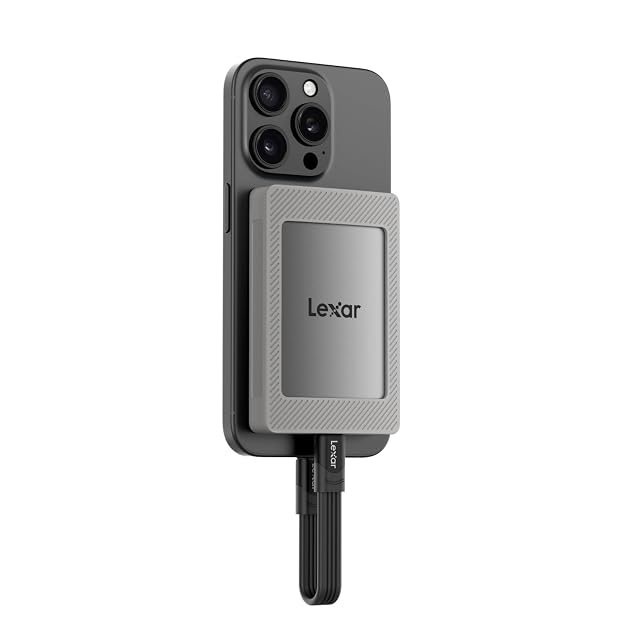
A portable SSD is a drive and a bridge inside a small case, and the number on the box is a property of the whole chain rather than of the drive alone. Read the interface the maker publishes with its rate: ten-gigabit and twenty-gigabit USB links, and USB4 or Thunderbolt at forty gigabits, are different standards, and the slowest link in the chain — the socket on the computer, the cable, the bridge chip — is what settles the result. The connector is a separate question again, because Type-C is a shape and not a speed, and a drive supplied with one short lead is a drive you will buy a lead for. Sustained writing is where these genuinely separate. A large transfer runs quickly until the fast write buffer fills, then settles to a lower rate that most listings never publish; where a maker does state a sustained figure, that is the more useful of the two numbers. The rest is the case. Stated ingress and drop ratings, where published, describe what the enclosure is specified for; weight and dimensions decide whether it lives in a pocket or a bag. Some models expose a hardware key or a fingerprint reader, described by the maker in its own terms. Endurance follows the same three separate figures as any solid-state drive — a TBW rating, an MTBF statistic and a warranty period — and none of them is a lifespan. Capacity is quoted in decimal units and shows smaller on screen. We compare capacity, interface standard and stated link rate, connector type, stated sequential read and write figures, stated ingress or drop rating, dimensions and weight, cable supplied, TBW rating, stated MTBF and warranty length.