The USB link behind the socket sets the ceiling of the Ethernet port
The best USB network adapters for 2026
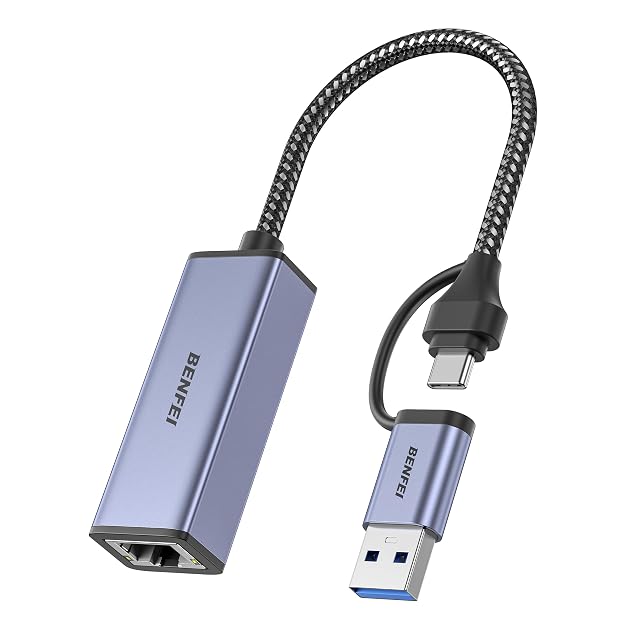
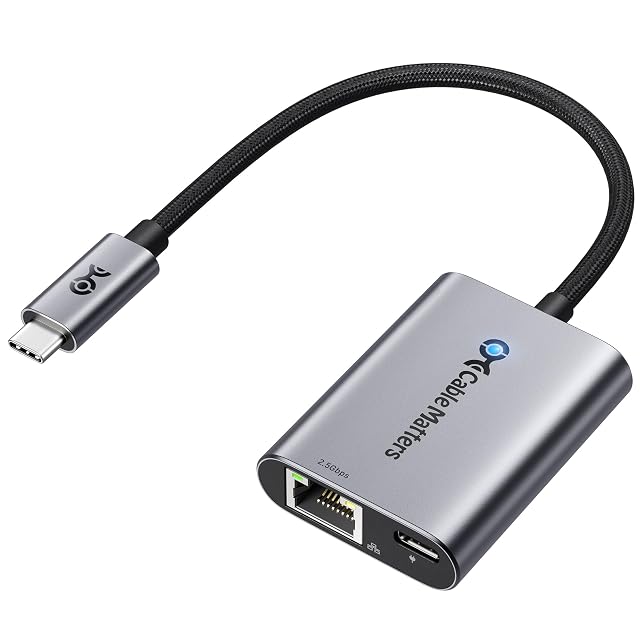
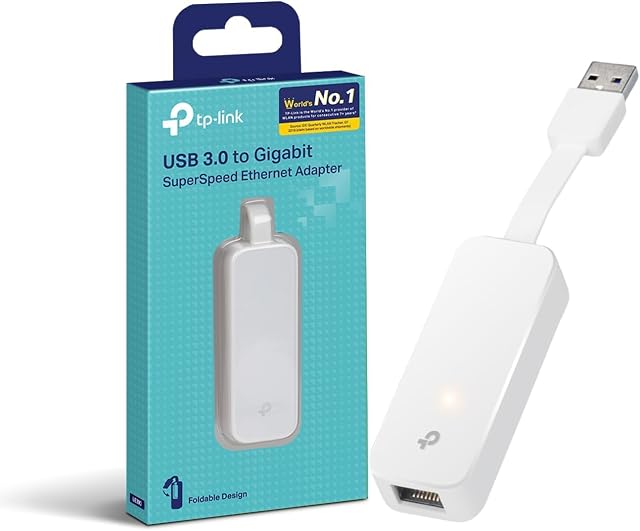
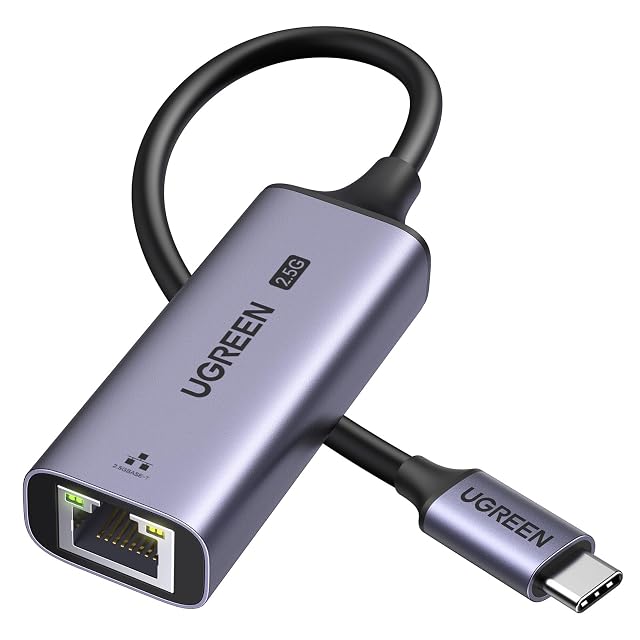
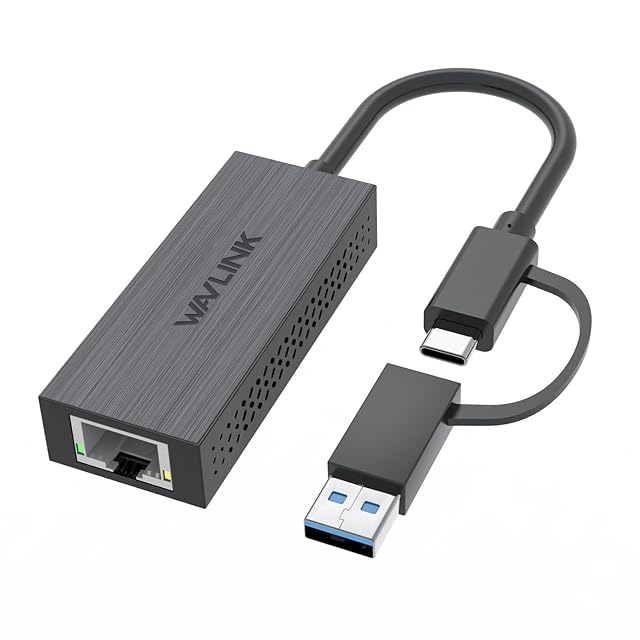
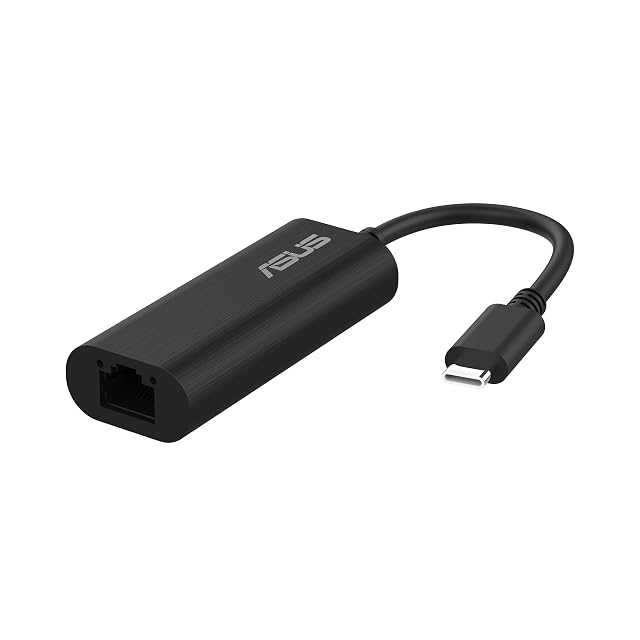
A USB adapter puts an Ethernet socket on a machine that has none, and its ceiling is set by the port it plugs into rather than by the port it offers. The USB generation is the first line to read: a five-gigabit link and a ten-gigabit link are different standards with different names, and a 2.5-gigabit adapter on a 480 Mb/s socket describes a bottleneck rather than a network. Those names have been revised more than once, so take the figure in gigabits per second that the maker publishes beside the name, and treat the connector — Type-A or Type-C — as a separate question that a passive plug adapter can change. On the network side the same standards as everywhere: 1000BASE-T, 2.5GBASE-T, and copper ten-gigabit adapters that exist and get warm in the hand. The controller decides driver support, which on a laptop is very nearly the whole point of the purchase; makers publish which operating systems and versions are covered, and on a family where the outward hardware is much the same from one box to the next, that list is the specification which matters most. Published extras such as jumbo frame support, Wake-on-LAN and VLAN tagging separate two adapters that otherwise look identical. Watch the lead too, since a fixed short one behaves very differently on a desk from a detachable one, and a metal housing sheds heat that a plastic shell keeps. We compare USB generation and stated link rate, connector type, Ethernet port speed standard, controller family, stated operating system support, housing material and cable arrangement.