How the unit mounts and how it is powered come before its radio
The best wireless access points for 2026
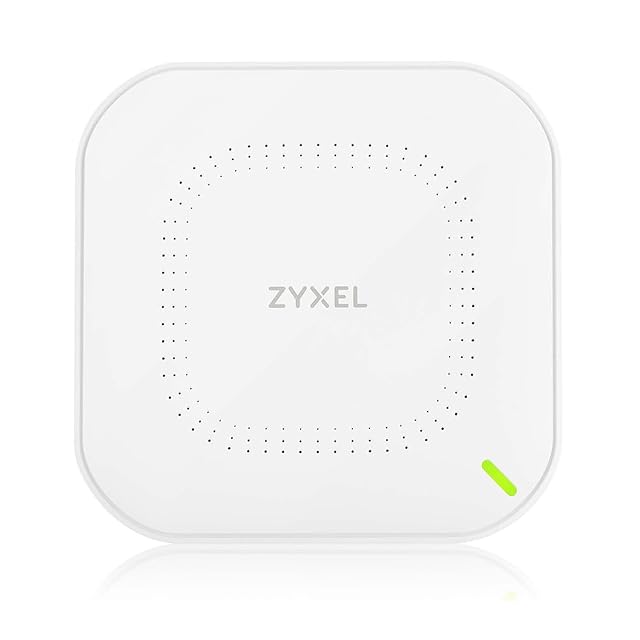
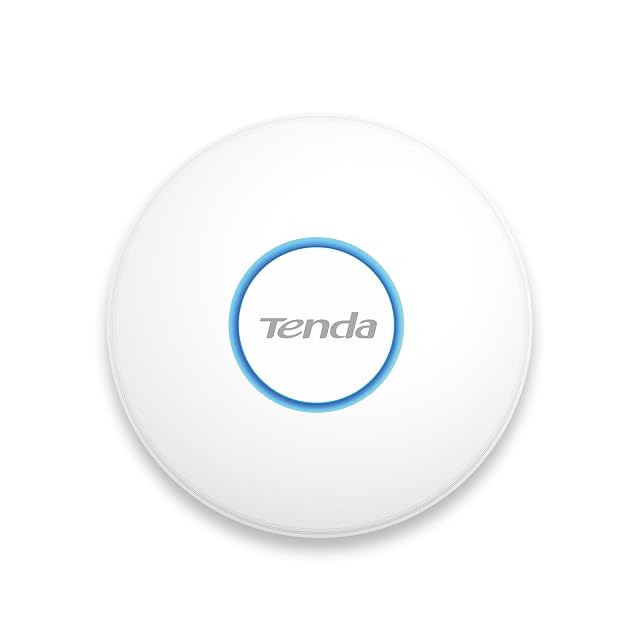
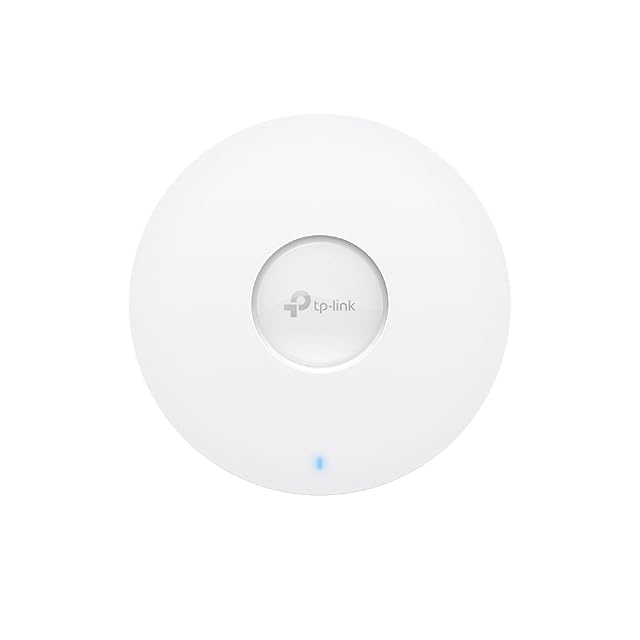
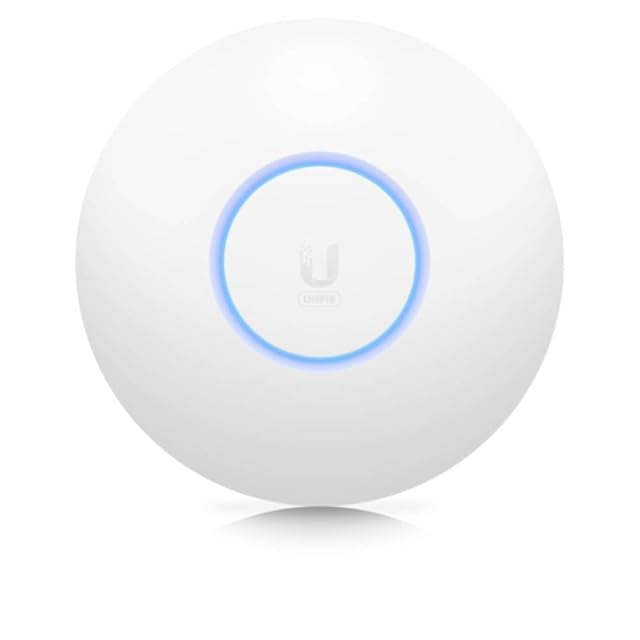
An access point has no router inside it. It takes a wired connection and turns it into radio coverage, which is why it appears in buildings where the box from the provider stays in a cupboard and the wireless has to come from somewhere else. The first thing to settle is power. Most ceiling units are fed over the network cable itself, and the maker names the class: 802.3af delivers less at the far end than 802.3at, and a unit specified for 802.3at will not settle on a source that offers only 802.3af. Some models ship an injector, some do not, and that one line changes what the installation costs. Then the radio: the Wi-Fi generation with its IEEE designation, the band plan, the stream count, and the class figure — which, as everywhere in wireless, sums the theoretical peaks of separate radios and describes no single link. Mounting counts for more here than on a desktop router, because the shape decides where the unit can go: ceiling discs, wall plates and in-wall models that sit in a socket box each state their own dimensions and bracket. Finally, management. Some units are configured one at a time through a web page; others expect a controller — software, appliance or hosted — and hand clients between points. That choice, rather than the radio, decides how a second and a third unit behave together. We compare Wi-Fi generation and IEEE designation, stated class figure, band plan and stream count, PoE standard required, uplink port speed, mounting type and management method.