A single router is judged on its band plan and its port speeds, not on a class number
The best Wi-Fi routers for 2026
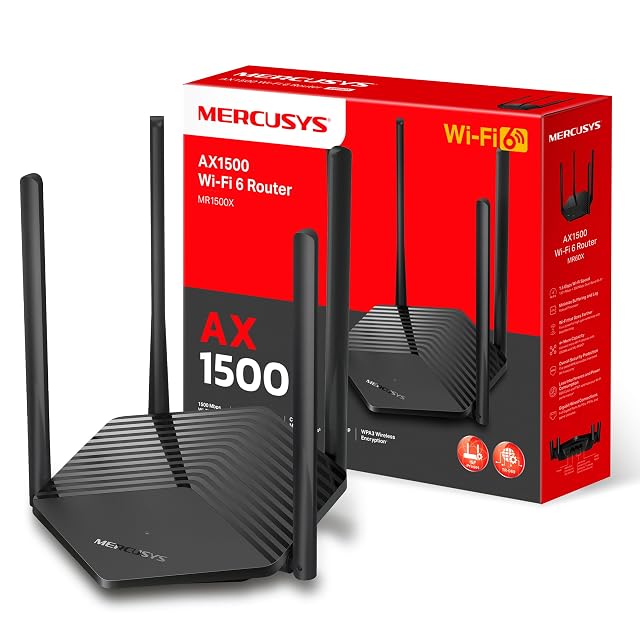
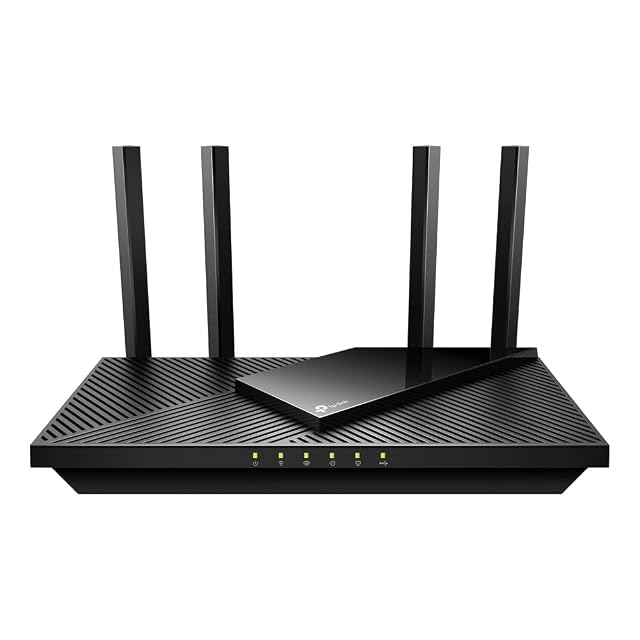
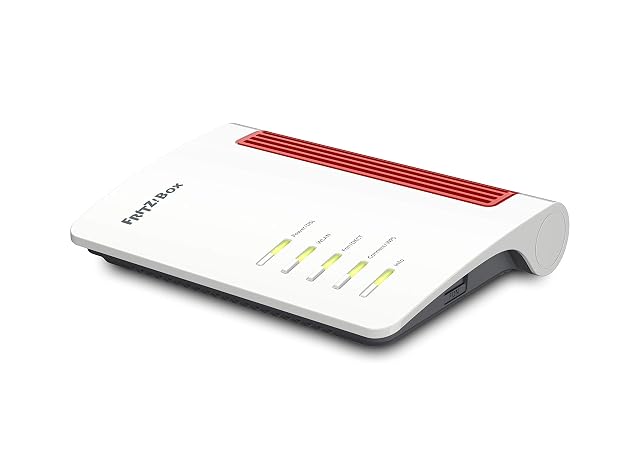
A single router does three jobs at once — it routes the connection arriving from the line, it runs the radios, and it hands out wired sockets — and the specification sheet mixes all three together. Start with the Wi-Fi generation and its IEEE name: 802.11ac, 802.11ax, 802.11be. Each brings a wider channel and a different way of sharing airtime between devices, and each is summarised on the box by a class figure such as AX3000. That figure adds up the theoretical peak rates of the radios inside, computed from the channel width and stream count the standard defines; it is not a rate a connection reaches, and two routers quoting it identically can divide it very differently between bands. The stream count, written 2×2 or 4×4, is the plainer version of the same information. Whether a 6 GHz radio is present, and whether it may be used at all, follows the regulations of the country the unit is sold in. On the wired side, count the LAN ports and read their speed, since a router advertised for multi-gigabit wireless behind four 1000BASE-T sockets has a ceiling nothing on the radio side can lift, and look for a WAN port rated above a gigabit if the line coming in is faster than that. USB sockets, the parental and VPN features published, and how firmware updates arrive round out the picture. We compare Wi-Fi generation and IEEE designation, stated class figure, band count and stream count, WAN and LAN port speeds, port count, USB ports and antenna arrangement.