Everything here hangs on whether your exact printer is on the published list
The best print servers for 2026
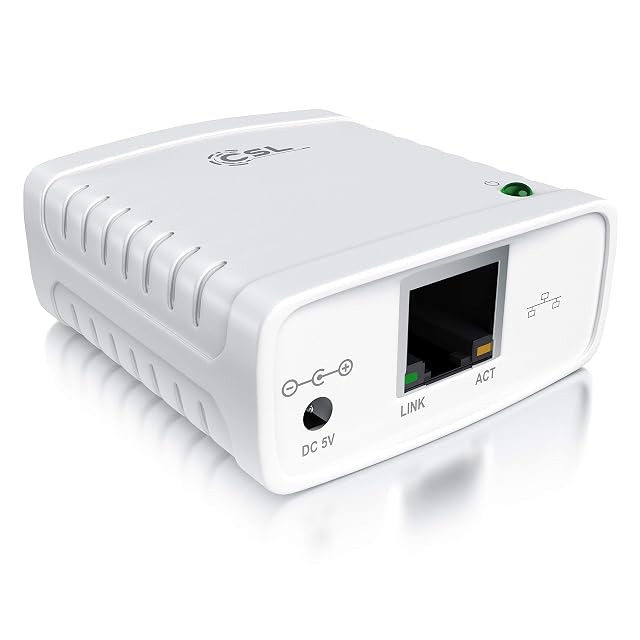
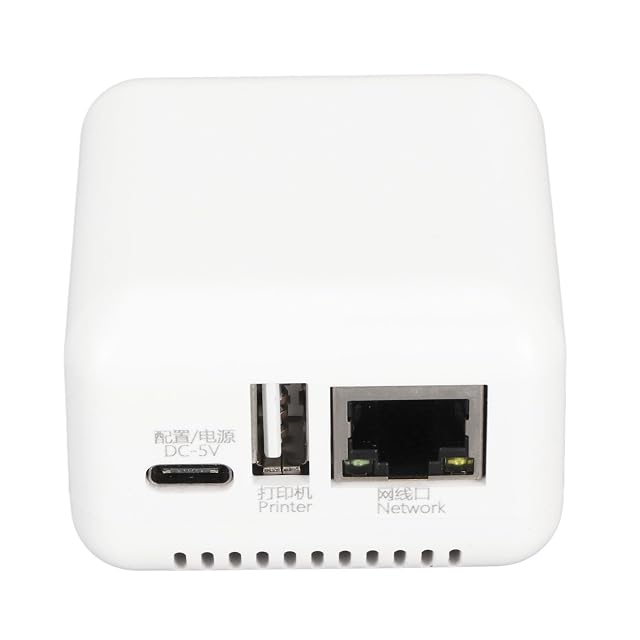
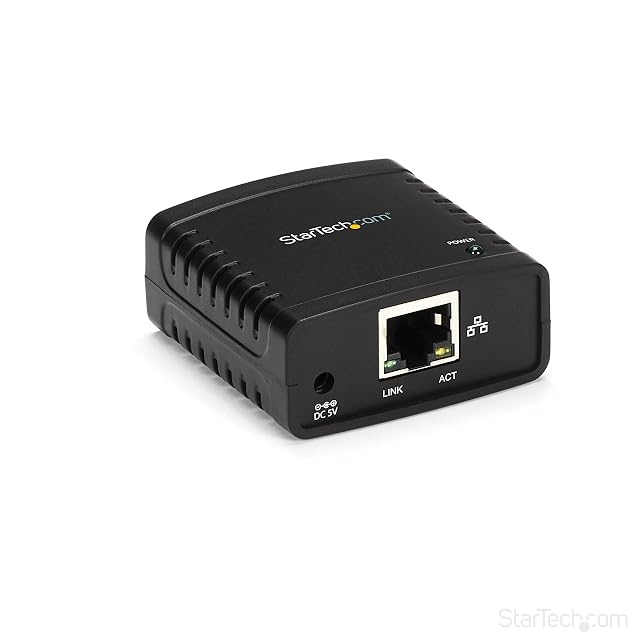
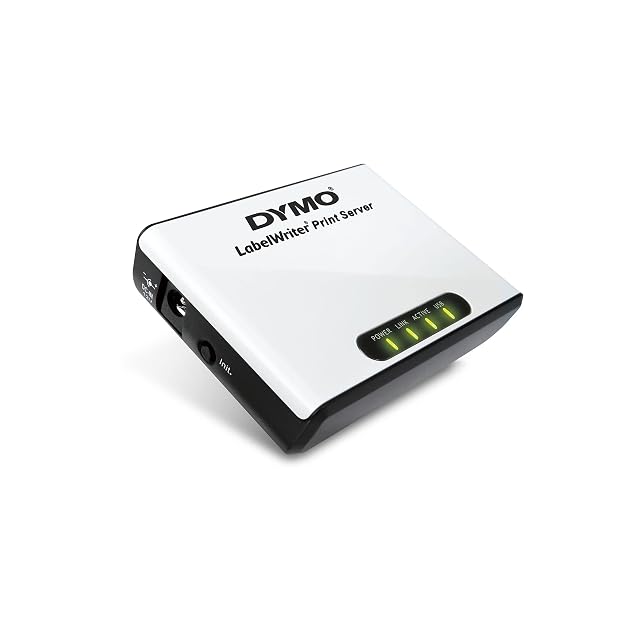
A print server puts a printer that has no network of its own onto the network, and it is the one family here where compatibility is settled by a list rather than by a standard. The maker publishes which printers are supported, and that list is the specification: a USB printer that works perfectly on a cable can be absent from it, and multifunction machines are the usual casualties, because sending a scan back over the network needs software support that printing does not. Read the list before anything else, and read it for the exact model rather than for its family. After that the questions are ordinary. The connection to the printer is normally USB, occasionally a parallel port on units aimed at older machines. The connection to the network is either copper — 1000BASE-T or 100BASE-TX — or wireless, and a wireless print server earns its keep in exactly the spot a cable cannot reach. Then the protocols, which decide what will find it at all: IPP, LPR and raw port 9100 are the common ones, AirPrint and Bonjour matter for phones and tablets, and a unit naming none of them will want its own driver on every machine in the house. Some models drive more than one printer, some pass a scanner through, and some serve an attached storage device as well. Power is normally an external supply, and the box is small enough to hide behind the printer. We compare printer connection type, network port type and speed, wireless support, protocols published, number of printers served, scanner support, stated operating system support and the published printer compatibility list.