Port count, port speed, and whether the fan ever stops
The best network switches for 2026
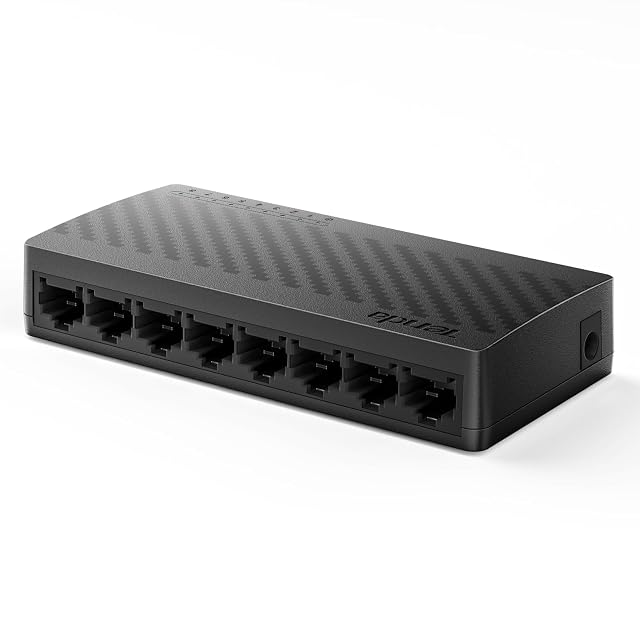
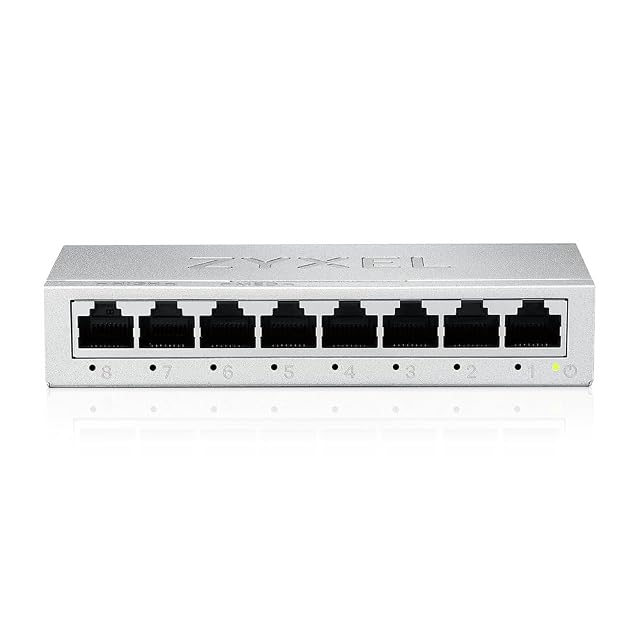
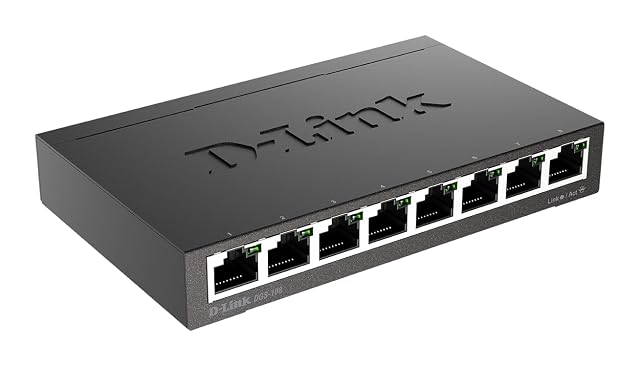
A switch is the least glamorous purchase in a network and the easiest to get right, because nearly everything about it is countable. Port count comes first, and it is worth counting the sockets you will actually fill, since one goes to the router and one to any switch further down the line. Port speed comes second and is written as a standard: 1000BASE-T is the ordinary gigabit socket, 2.5GBASE-T and 10GBASE-T are the faster ones, and many units mix them, putting a handful of quick sockets beside a row of gigabit ones. A figure printed as a switching capacity is the sum of every port running flat out in both directions at once — that is how the quantity is defined, not a throughput anyone will see. The second division is managed against unmanaged. An unmanaged switch is a box you plug in; a managed one offers VLANs, link aggregation, port mirroring and a configuration page, and the middle ground sold as smart or web-managed offers part of that. The third division is physical: a metal or plastic case, a desktop shape or ears for a 19-inch rack, an external power brick or an internal supply, and above all whether the unit is fanless. A switch usually lives where people do, and a fan in a living room is heard. We compare port count and port speeds, managed or unmanaged, stated switching capacity, fanless or fan-cooled, case material, desktop or rack mounting, and power supply type.