The stated rate belongs to the standard; the wiring of the building decides the rest
The best powerline adapters for 2026
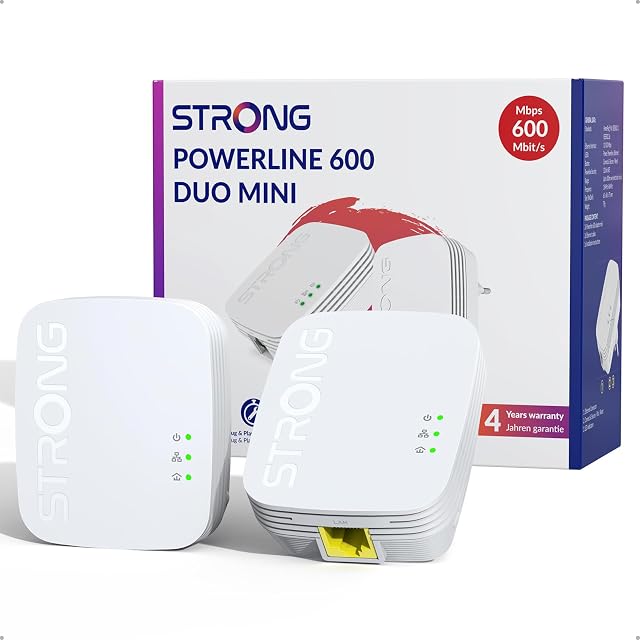
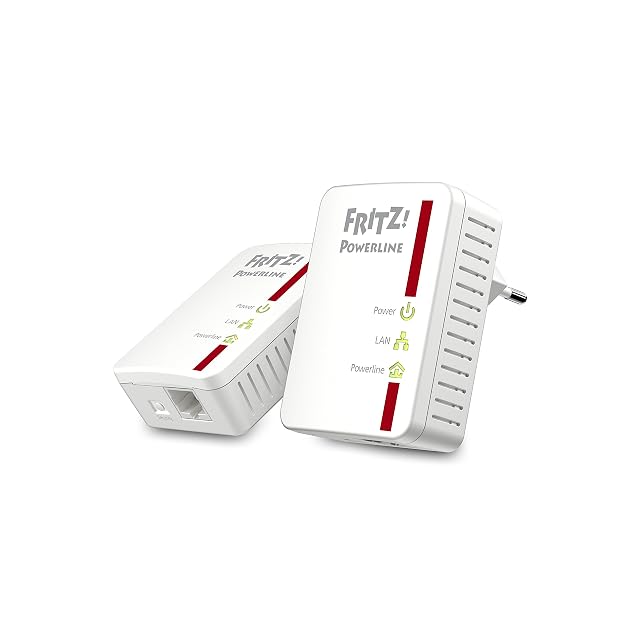
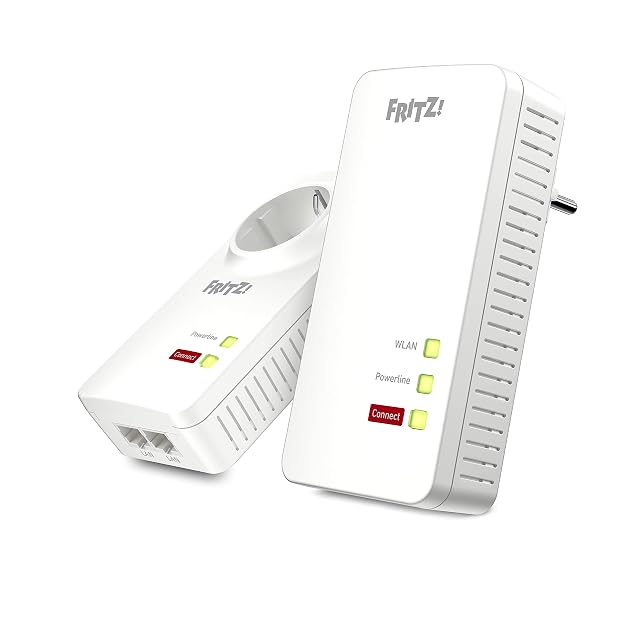
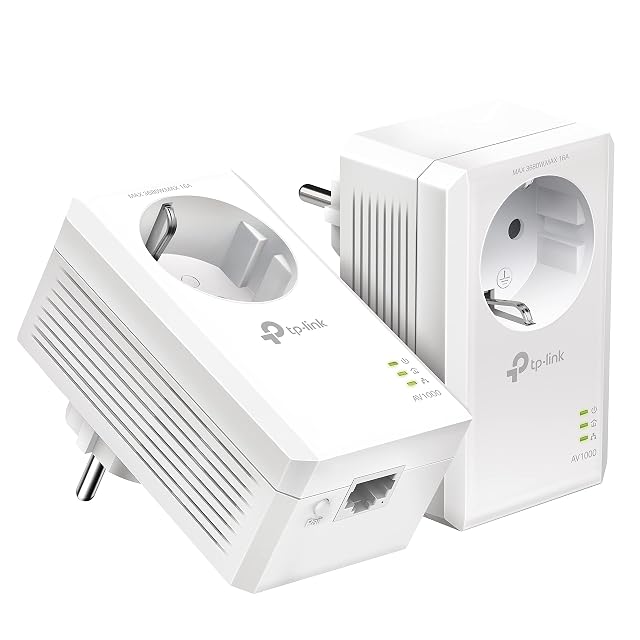
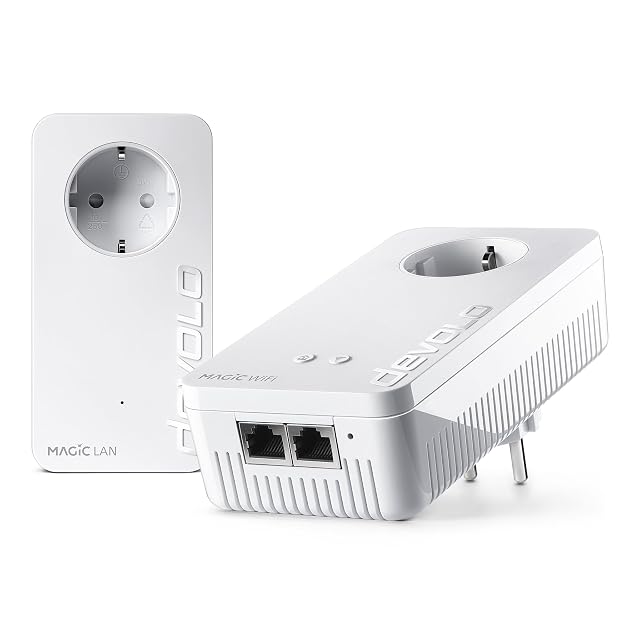
Powerline sends network traffic over the mains wiring of a building, and the number on the box is the furthest thing from a promise anywhere on this site. A figure such as 1200 or 2000 is the theoretical sum of the peak rates the standard defines across the wire pairs it can use — HomePlug AV2 and G.hn each define their own — and the electrical path between two sockets in a real building is what settles the outcome. That path is why the useful questions here are questions about the building. Adapters do best on the same circuit and the same phase; a run through a consumer unit to another floor loses more; an extension lead or a filtered socket strip between the adapter and the wall interferes with the signal, which is why nearly every maker asks for a direct wall socket. Read then whether the adapter carries a pass-through socket, because occupying an outlet in a room that only has two is a real cost. On the network side, count the Ethernet ports on each unit and read their speed, since 1000BASE-T is common and a single 100 Mb/s socket on a cheap kit caps everything regardless of the headline. Kits ship as a pair or as a starter plus extra units; units of the same standard from different makers can usually be paired, while HomePlug and G.hn cannot. Some kits raise Wi-Fi at the far end instead of offering a socket. We compare powerline standard, stated peak rate, pass-through socket, Ethernet port count and speed, kit composition, Wi-Fi at the far end and the stated maximum number of paired units.