Resolution and refresh rate are one figure, and the switching method is the other
The best KVM switches for 2026
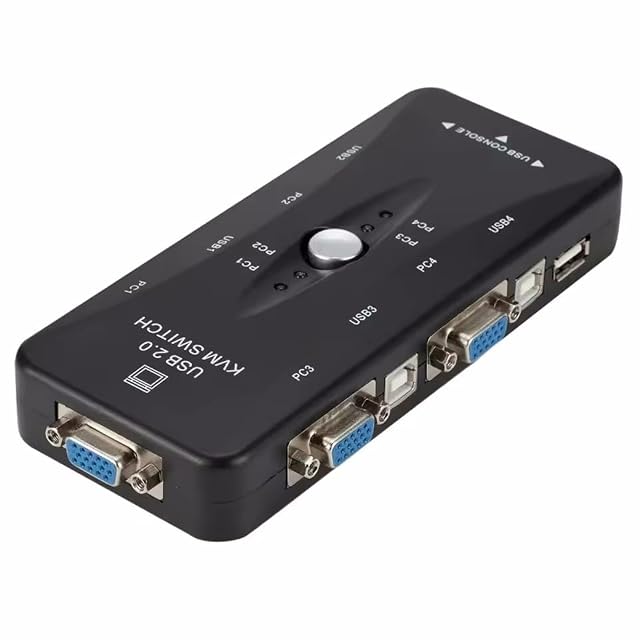
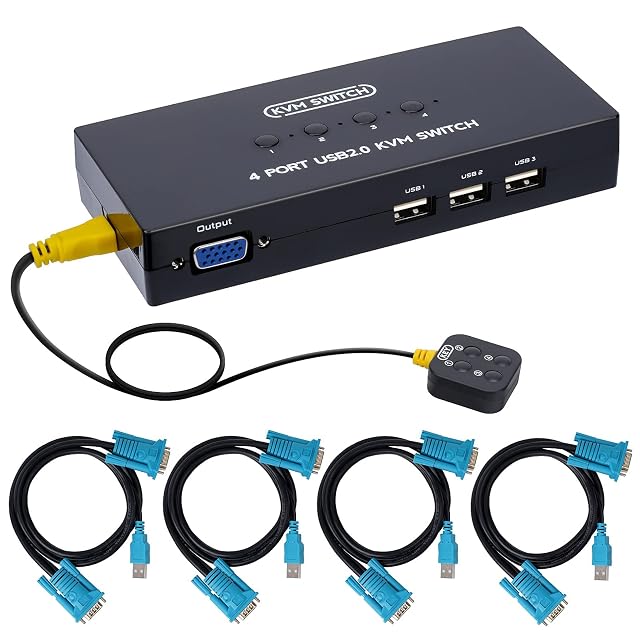
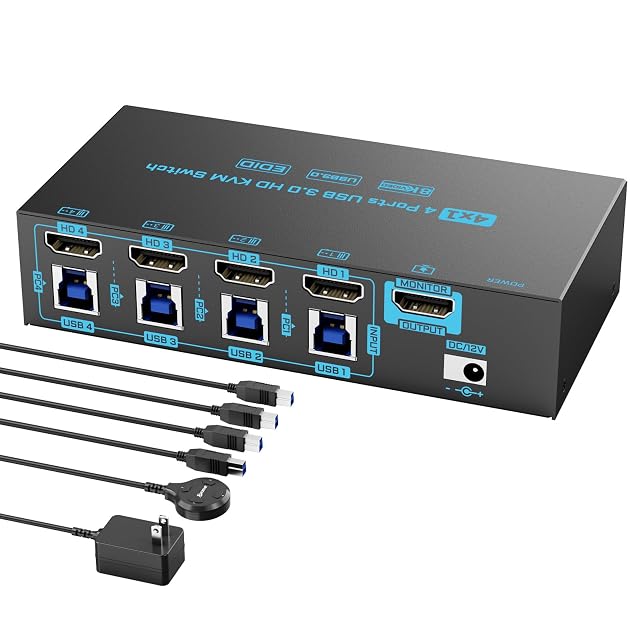
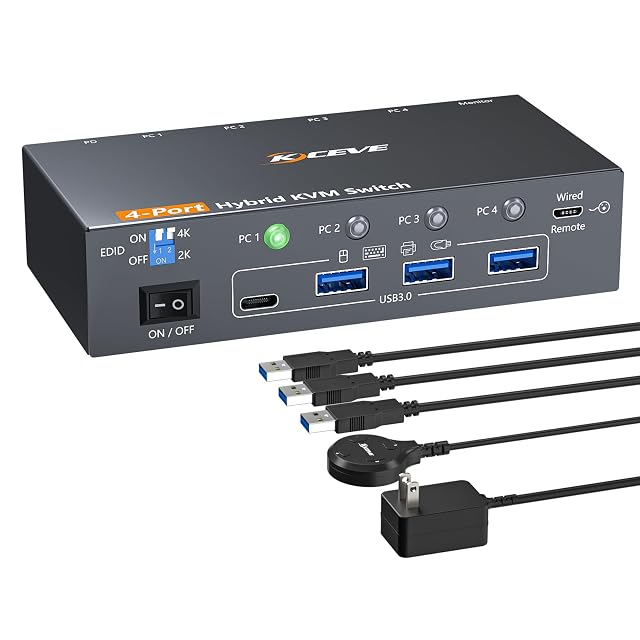
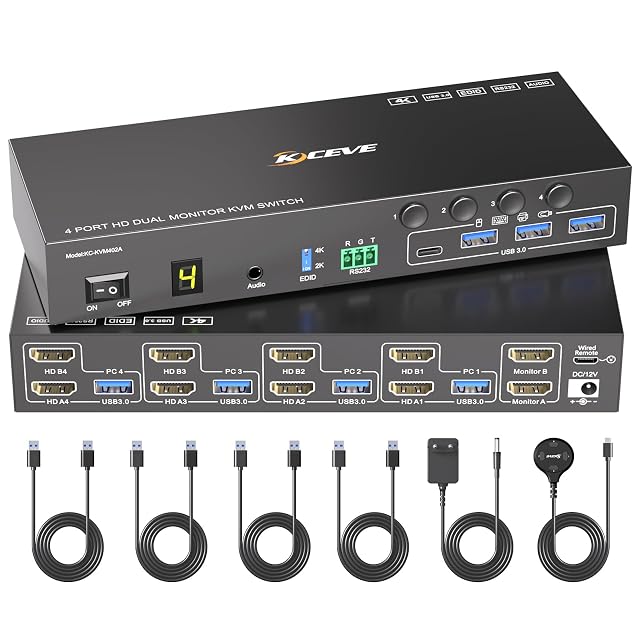
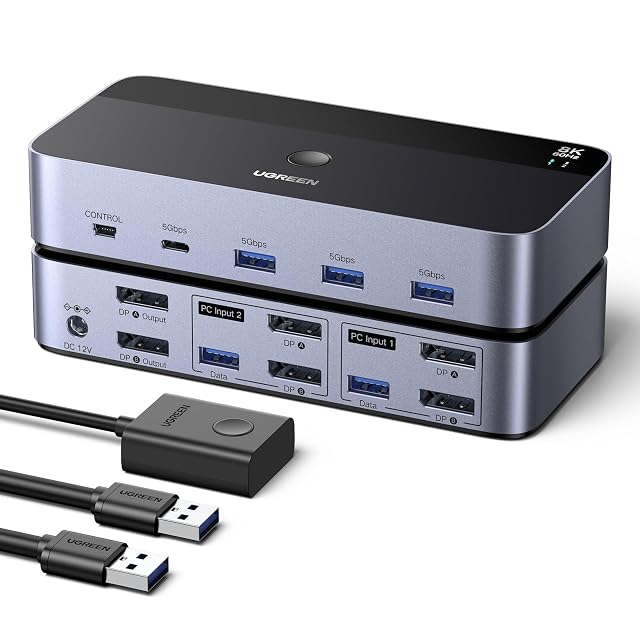
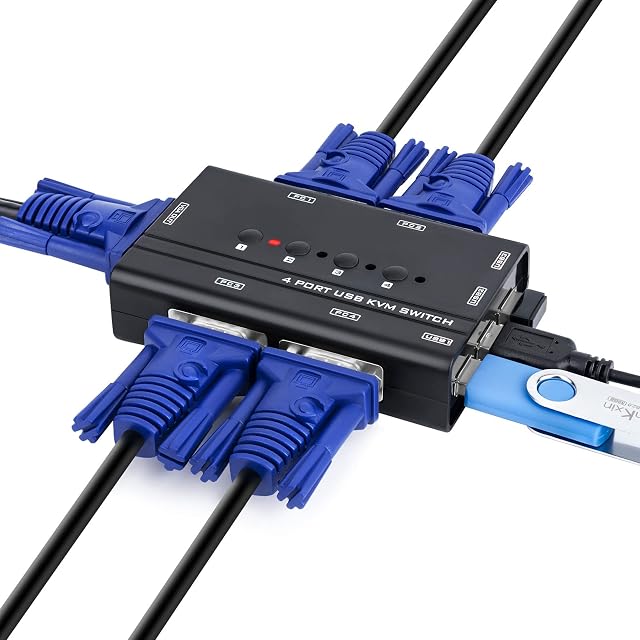
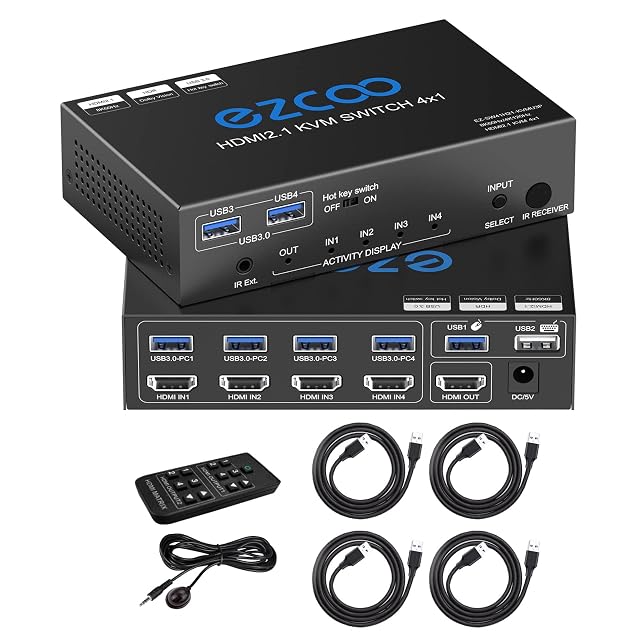
A KVM switch lets one screen, one keyboard and one mouse drive several computers, and the specification that decides everything is the video path. Every model publishes a maximum resolution and refresh rate together, and the pairing matters: a switch quoted at a high resolution only at a low refresh rate is a different object from one quoted at both. It also names the socket it carries — DisplayPort, USB-C, or an HDMI output on many models. That figure is a ceiling for the switch alone; the computers and the screen each impose their own. Count the ports, which is to say how many computers it accepts, and the number of screens per computer, since dual-screen models exist and cost accordingly. The switching method is the second decision: a button on the front, a wired remote on the desk, a keyboard shortcut, or an arrangement that follows the pointer from one machine to the next and carries the clipboard with it. Peripherals come next. USB sockets on the switch are shared between the computers and some are reserved for keyboard and mouse; models stating a USB 3.x generation on the shared sockets are the ones that will carry a fast drive between machines. Audio is often a separate pair of jacks that switch with the video, or is not switched at all. Finally, read what is in the box, because a switch without the right leads is a switch plus a shopping list. We compare port count, maximum resolution and refresh rate, video connector type, screens per computer, USB port count and generation, switching method, audio support and cables supplied.