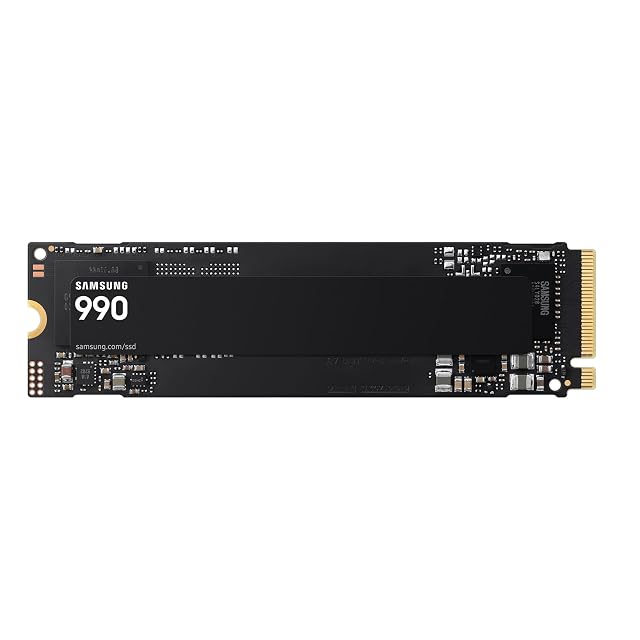
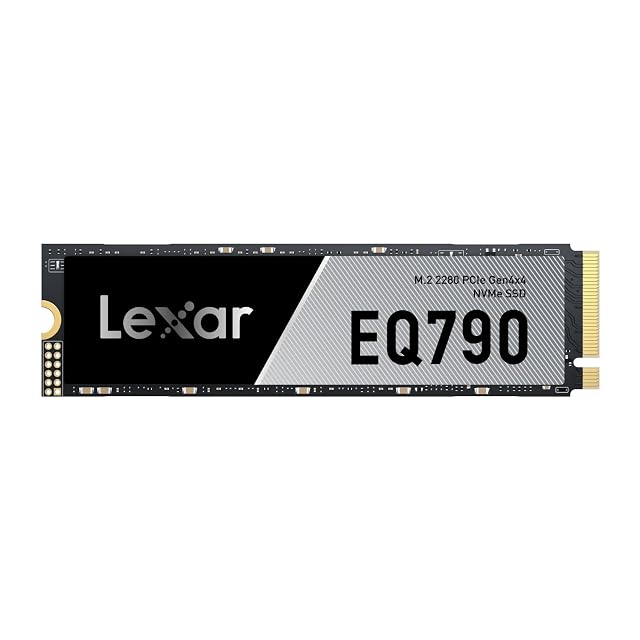
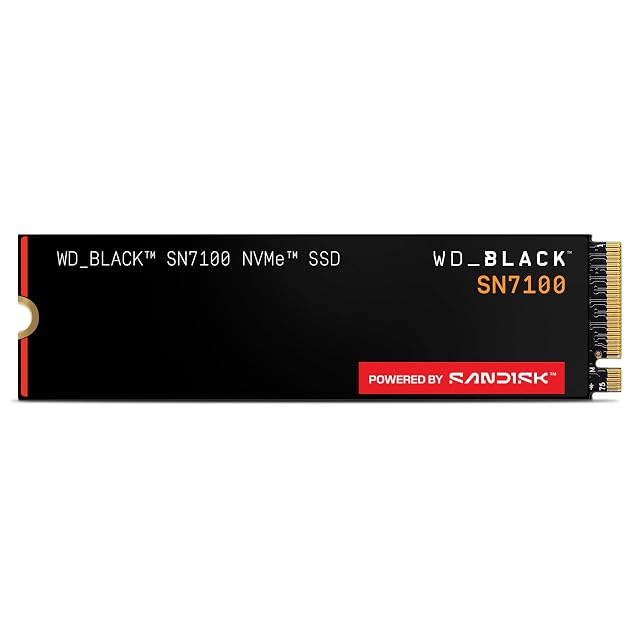
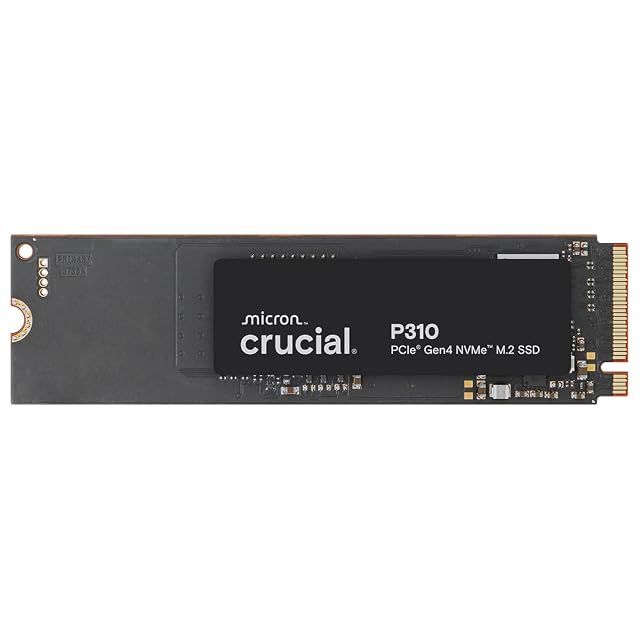
Form factor code, PCIe generation and lane count, before any speed figure
The best NVMe SSDs for 2026
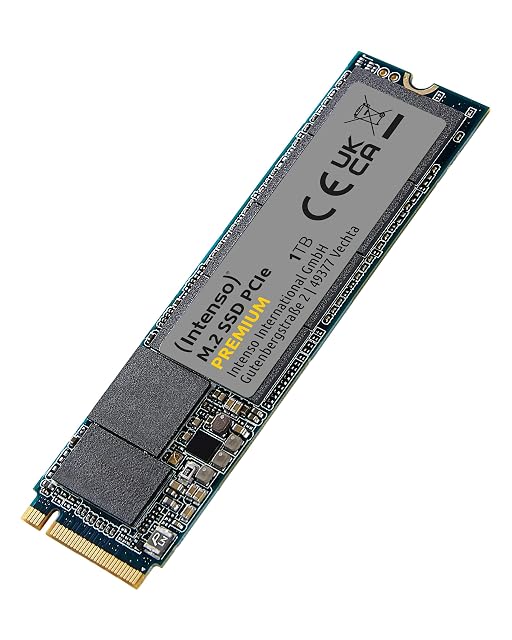
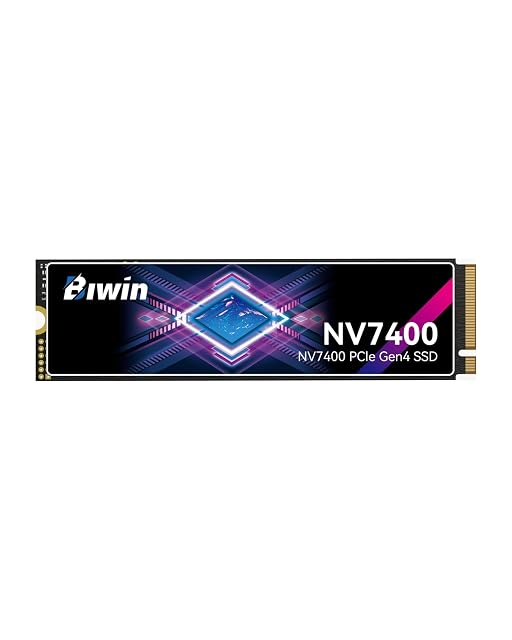
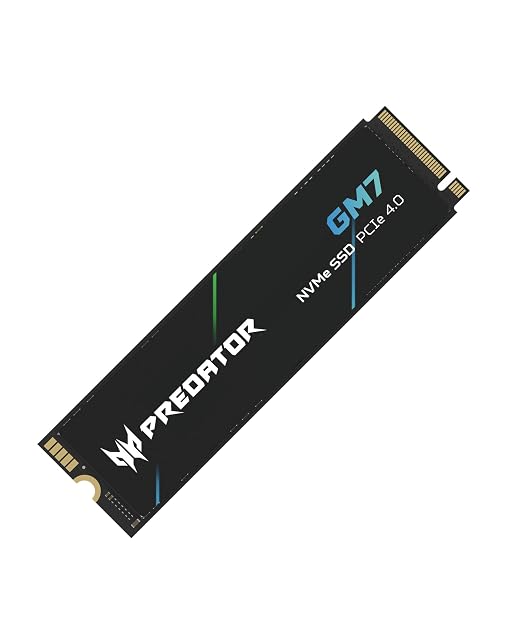
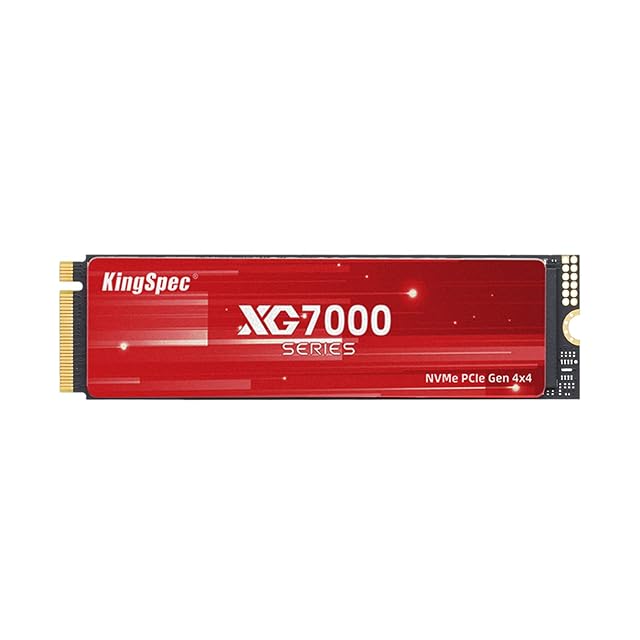
An NVMe drive is compared on three things before any speed figure is looked at. The form factor is written as a four or five digit code: M.2 2280 is 22 mm wide and 80 mm long and fits nearly every desktop board, while 2230, 2242, 2260 and 22110 exist for laptops, handhelds and servers, and a slot accepts only the lengths its standoff positions allow. The interface is a PCIe generation and a lane count — PCIe 3.0 ×4, PCIe 4.0 ×4, PCIe 5.0 ×4 — and a drive placed in a slot of an older generation runs at that older generation, which is not a fault. The published sequential figures follow from the interface and are obtained by the maker under its own conditions, at a queue depth that ordinary use does not produce; the random figures in IOPS describe something closer to daily behaviour. Both are read alongside the size of the write buffer, because a long file copy slows once that buffer is full. Endurance is where three unrelated numbers get muddled. TBW states, in terabytes written, how much writing the drive is rated for. MTBF is a population figure in hours. The warranty is a commercial term, normally ending at whichever of a period or a TBW total arrives first. None of the three is a lifespan. Capacity is published in decimal units and shows smaller on screen. Whether a DRAM cache and a heatsink are fitted is published per model. We compare capacity, form factor code, PCIe generation and lane count, stated sequential read and write figures, stated random IOPS, TBW rating, stated MTBF, warranty length, DRAM cache and heatsink.