Recording method and stated workload rating are what separate these from desktop drives
The best NAS hard drives for 2026
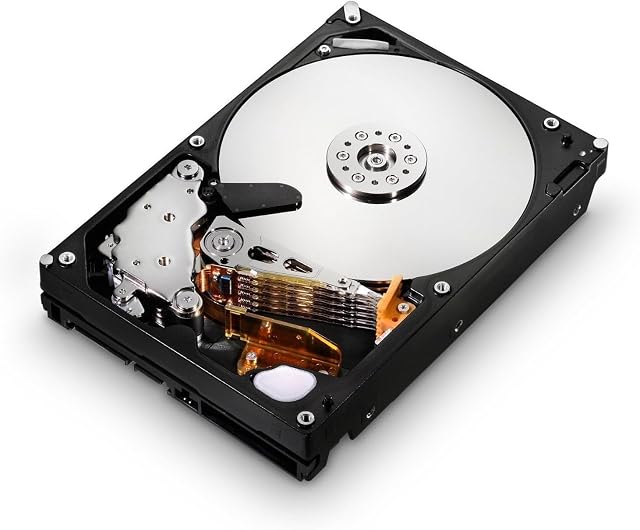
Drives sold for a NAS differ from desktop drives in ways the makers publish plainly, and the differences repay reading because the price gap is real. The first is the recording method. Conventional recording, CMR, writes tracks side by side; shingled recording, SMR, overlaps them for density and rewrites neighbouring tracks when data changes, which behaves quite differently under sustained writing. Makers now state which a model uses, and inside a multi-drive enclosure that answer changes what happens while an array rebuilds. The second is the stated workload rating, published in terabytes written and read per year, which describes the duty the drive is specified for and is not a countdown to anything. Beside it sits MTBF, a population statistic in hours that says nothing about one particular drive, and the warranty, a commercial term. Three different things, and none of them a lifespan. Then the ordinary figures. Capacity is published in terabytes of a thousand billion bytes each, which is why a drive appears smaller once an operating system displays it in units of 1024; nothing is missing, the two are different units for the same count of bytes, and the figure quoted here is the maker's in the maker's unit. Rotational speed in revolutions per minute, cache size, the SATA interface, and whether the drive is helium-sealed, which changes power and heat at the large capacities. Vibration tolerance is published for multi-bay use. We compare capacity, recording method, stated workload rating, rotational speed, cache size, interface, warranty length, stated MTBF, stated idle power and stated acoustic figure.