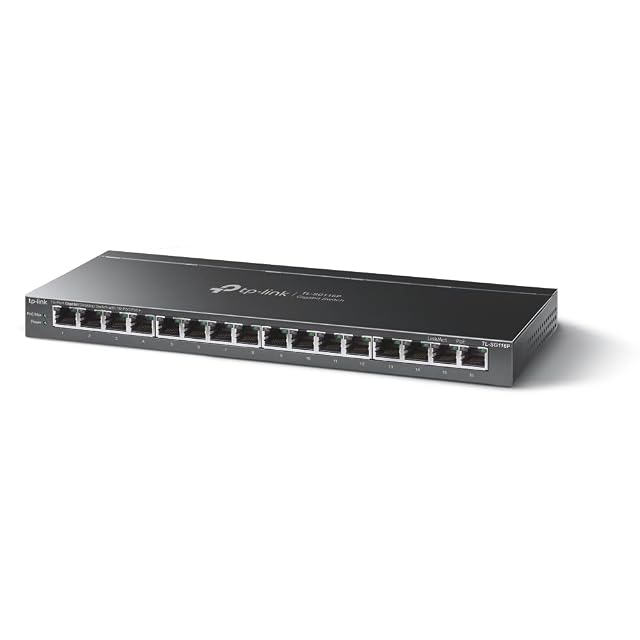
The per-port budget and the total budget are two different numbers
The best PoE switches for 2026
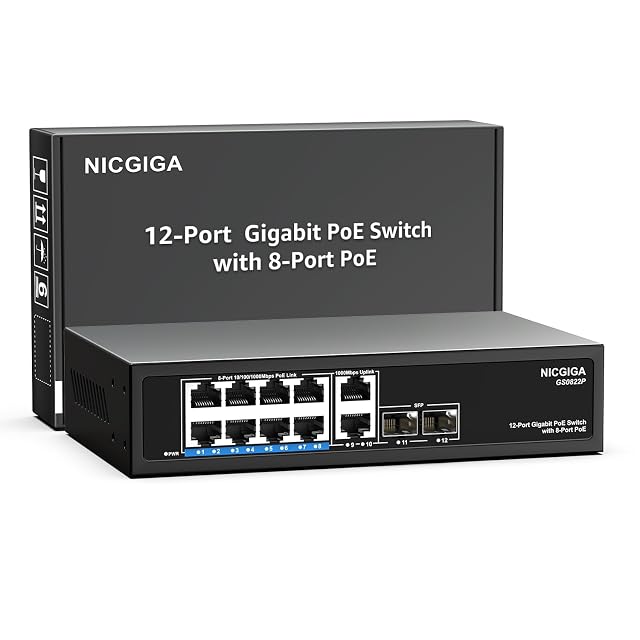
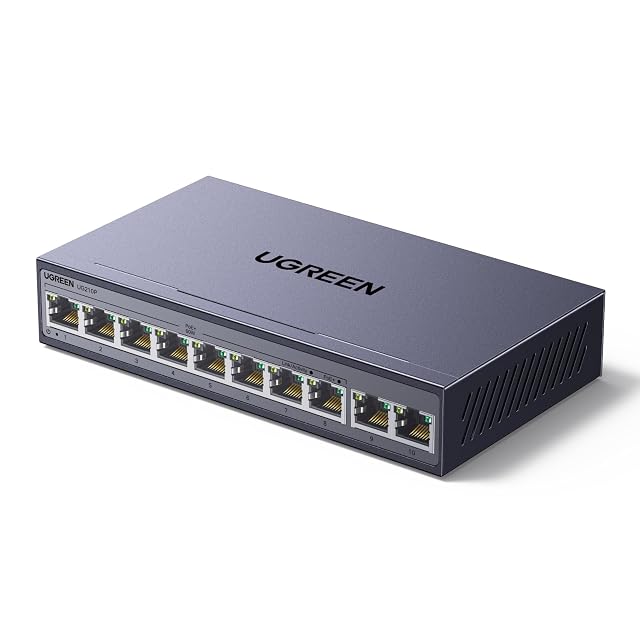
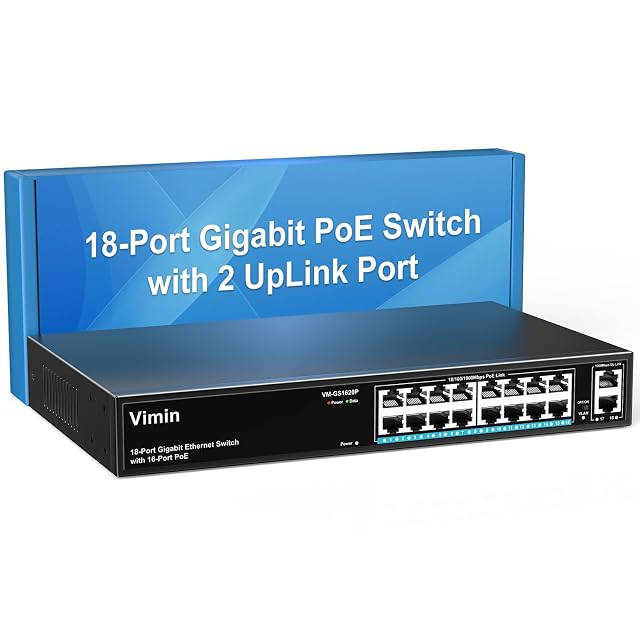
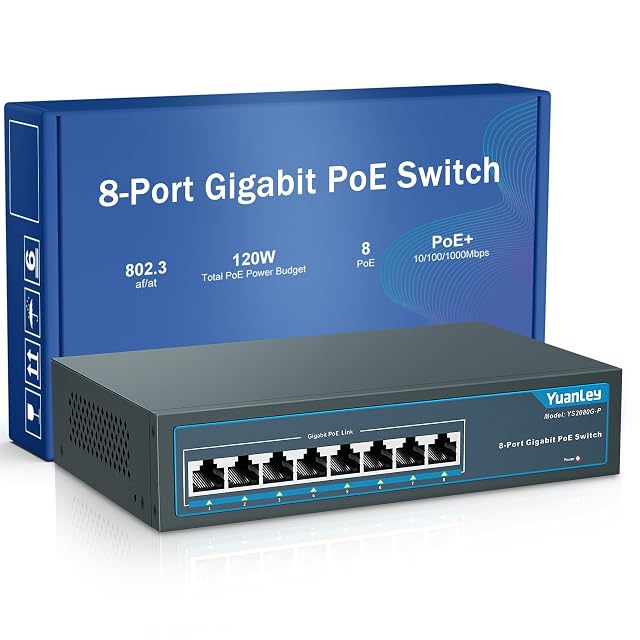
A PoE switch carries data and power down the same cable, and it is the power side that decides whether the purchase works. Two numbers govern it and they are routinely confused. The per-port budget is what one socket can deliver, and it follows the standard the switch names: 802.3af, 802.3at and 802.3bt each raise the ceiling, and a device asking for one will not run correctly from a switch offering only the class below. The total budget, quoted in watts for the whole unit, is what every powered socket shares between them; a switch with eight powered ports rarely has eight times the per-port figure behind it, so a full complement of hungry cameras or access points can exhaust the total while each socket individually still looks capable. Note also how many ports are powered — frequently only some of them — and whether consumption is reported per port. Around that sit the ordinary switch questions: port count, port speed written as 1000BASE-T or 2.5GBASE-T, and whether the uplinks are copper or SFP cages. Managed models add VLANs and let a stuck powered device be restarted by cycling its socket, which is the feature people discover they wanted once the ladder is back in the shed. Finally the fan, because a switch dissipating a large power budget usually has one, and rack cases run louder than desktop ones. We compare PoE standard supported, per-port power budget, total power budget, powered port count, port count and port speeds, managed or unmanaged, uplink type and cooling.