Skip to content

TP-Link

TP-Link prints the sum, and sometimes the wrong bullets

Two Archer routers, five Deco mesh sets, the EAP650 access point, the TL-SG108 and TL-SG116P switches, three powerline listings, the TX201 PCIe card, the UE300 USB adapter and the TL-WA850RE repeater. No other maker reaches across this site as far.

The arithmetic, printed

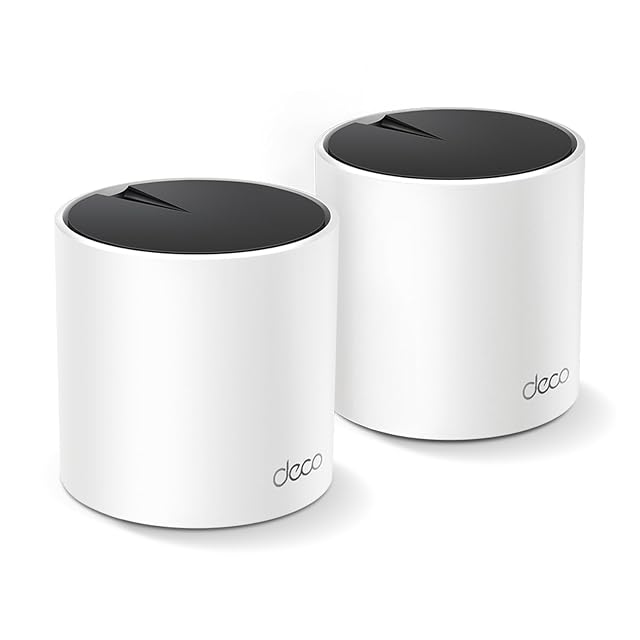
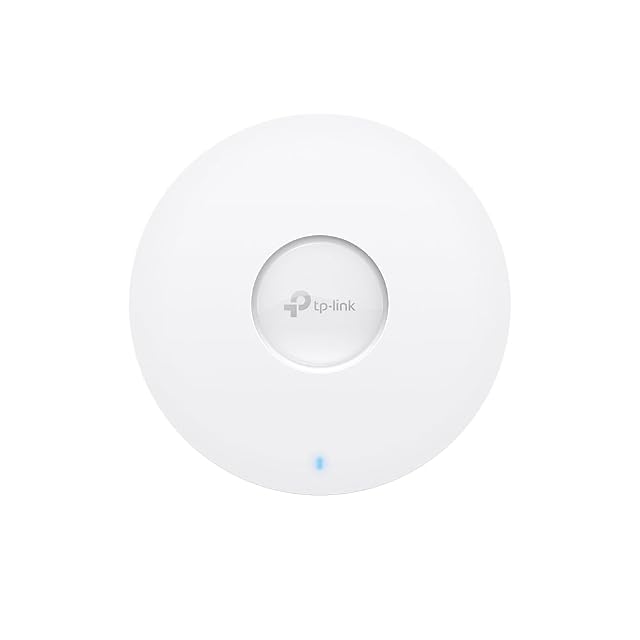
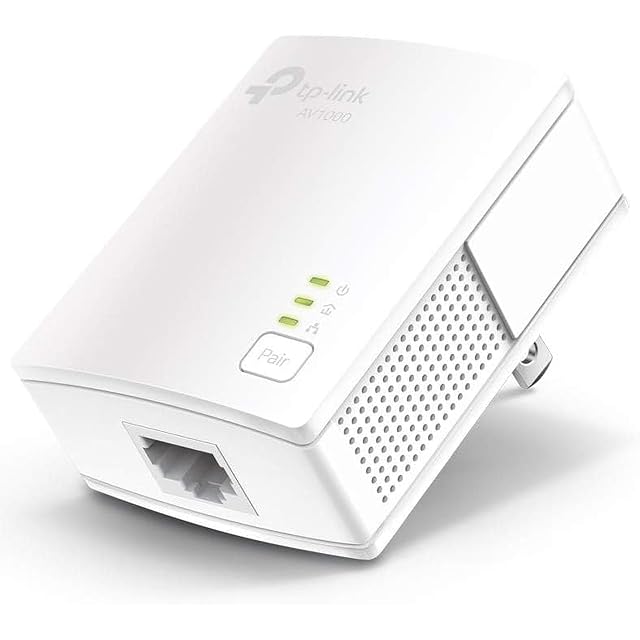
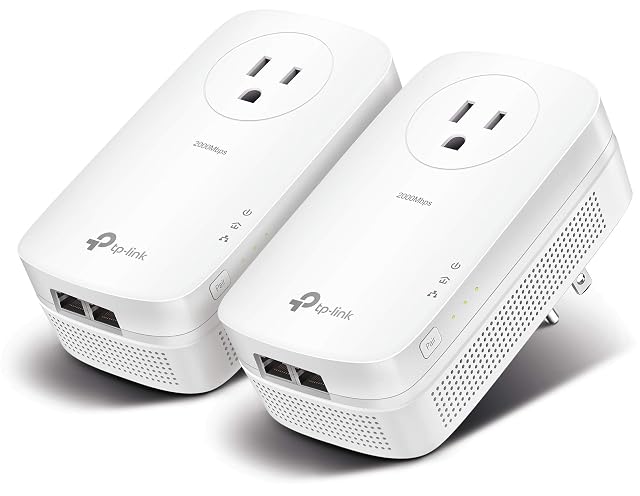
The EAP650 prints 2,976 Mbit/s, the sum of its two radios, rather than a rounded badge. The Archer AX55 and the Deco X55 break AX3000 into 2,402 and 574 Mbit/s; the Deco BE63 breaks BE10000 into three bands. The Archer AX21 states in writing that it has no 6 GHz band. The powerline add-on unit and the AV2000 kit print a 750-foot reach and warn that AFCI breakers, standard in many American homes built after 2000, may limit or block powerline. The TL-SG108 states limited lifetime protection; the TL-SG116P three years.

What is left for the seller to answer

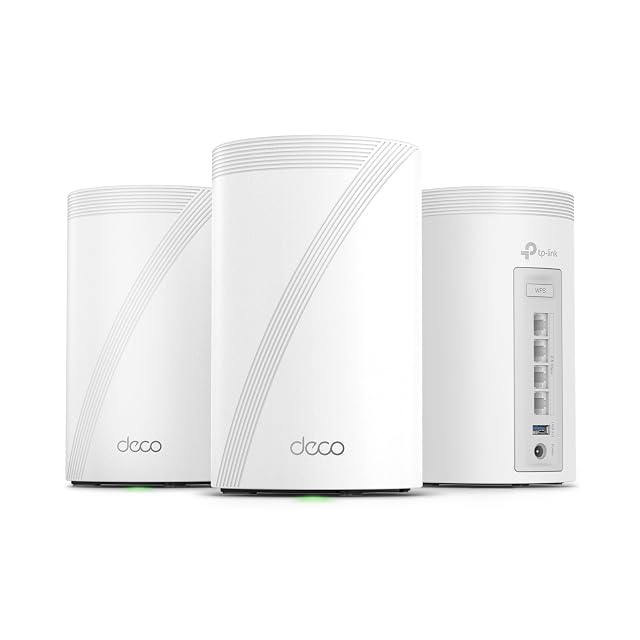
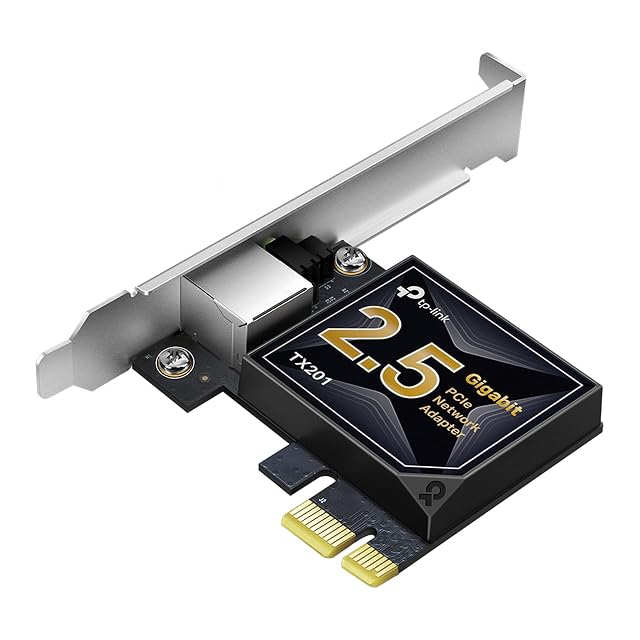
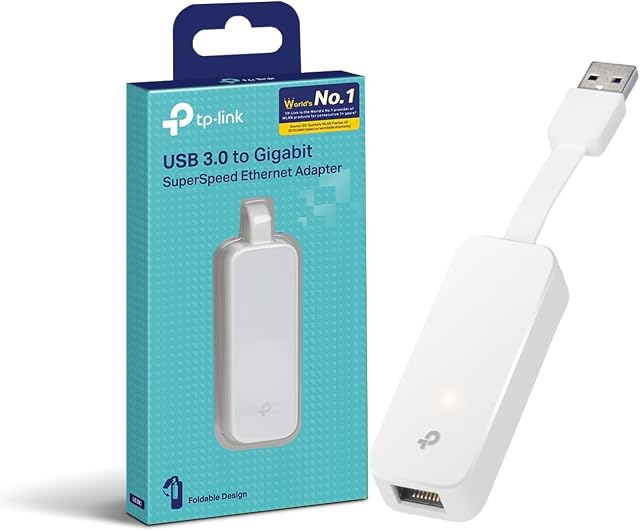
The Deco BE63 claims a 10G port in two bullets and lists four 2.5G ports in two others. The TX201 card names no controller, PCIe generation or lane count. The UE300 and the TL-WA850RE sit on Amazon.com under garbled or borrowed bullets, so their specifications are read here from TP-Link’s own US pages. The TL-PA7017P kit’s US page runs to three bullets and had no offer on October 26, 2026.

Every TP-Link unit reviewed here

What each TP-Link review concluded

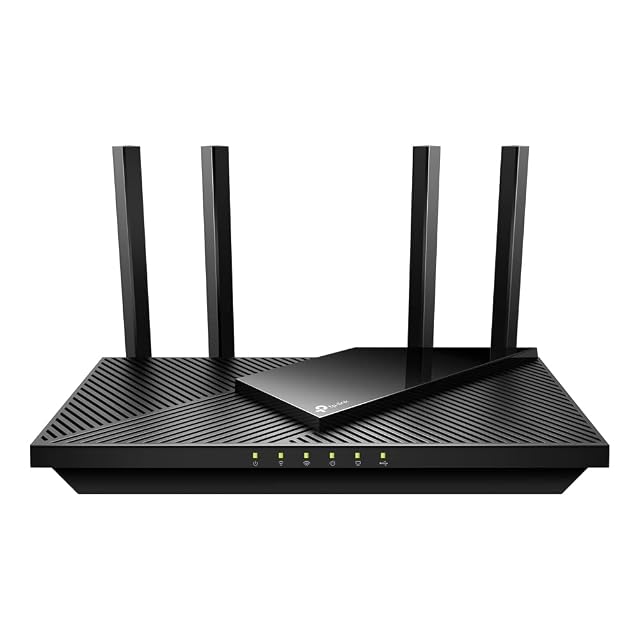
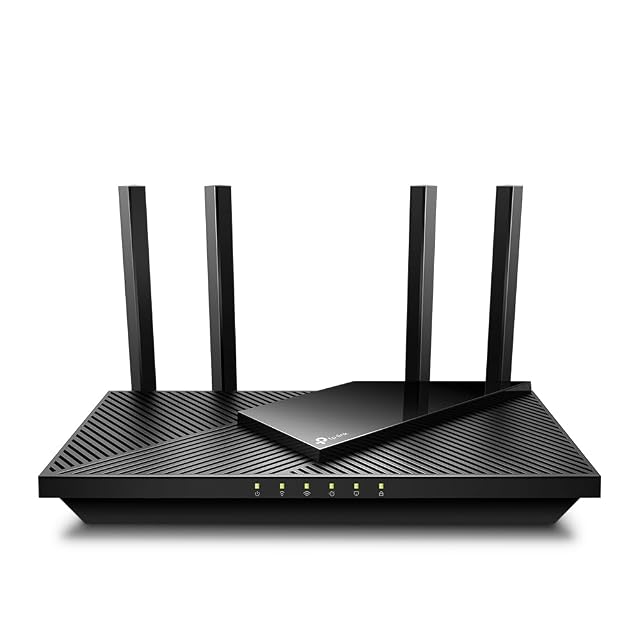
  • TP-Link Archer AX21 — A carefully written radio section: the generation with its clause number, the class figure broken into halves, the 6 GHz band ruled out in writing, four antennas and the VPN protocols named.
  • TP-Link Archer AX55 — A well-equipped Wi-Fi 6 router — five Gigabit ports, USB 3.0, four antennas, VPN server and client — whose Amazon.com listing leaves half of that to TP-Link's own page.
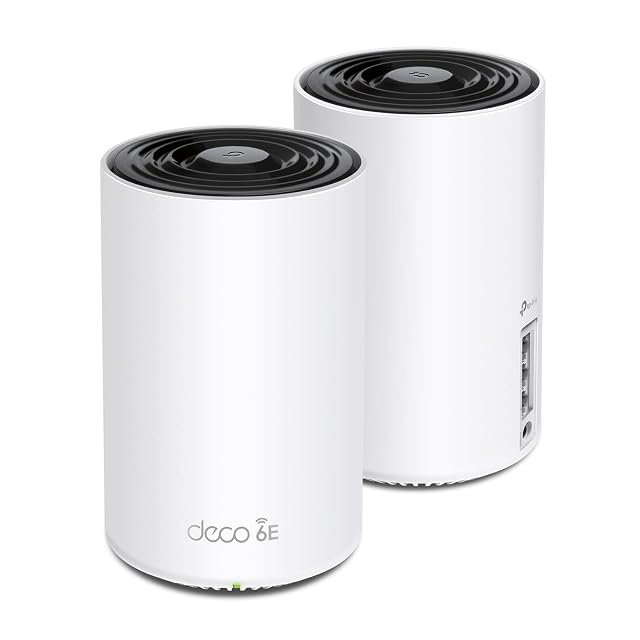
  • TP-Link Deco 7 Pro BE63 — The most capable mesh system on this shelf, with three bands published, both backhaul paths running together and four multi-gigabit sockets.
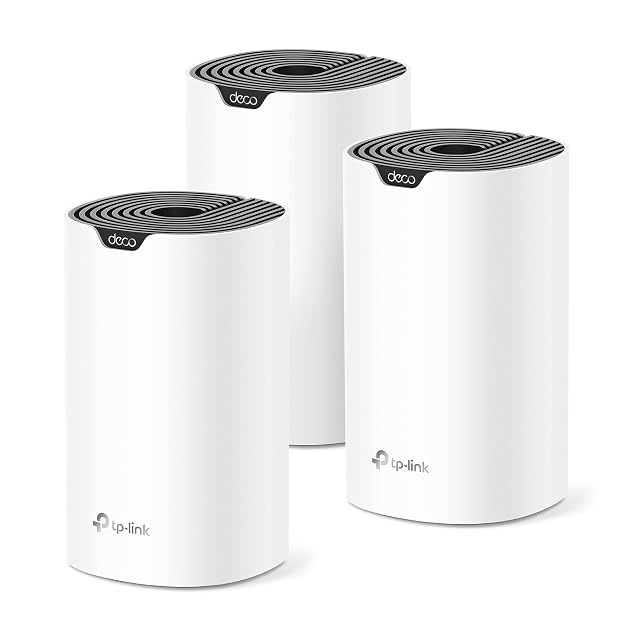
  • TP-Link Deco S4 three-pack — The cheapest way to cover a large house on this shelf, with the sockets counted properly and wired backhaul named.
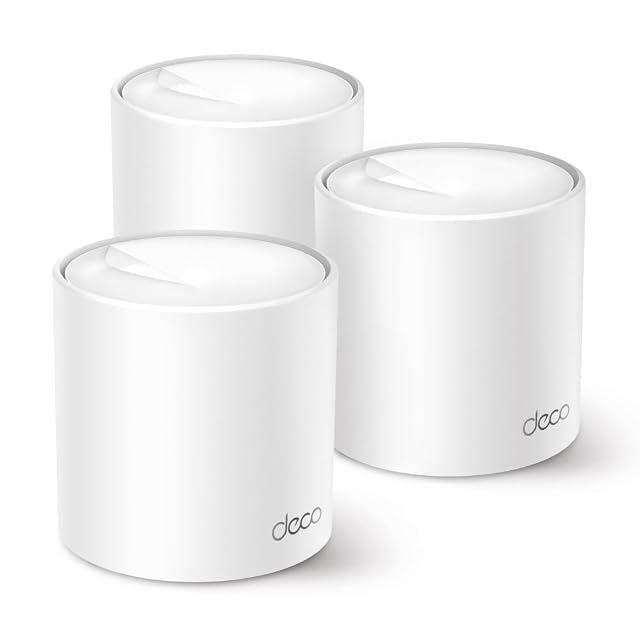
  • TP-Link Deco X50 — Honest about its band rates and generous with its sockets, and a dual-band design carrying a three-unit mesh.
  • TP-Link Deco X55 two-pack — The best-proportioned mesh listing in this group: three sockets a node, the class figure shown as its terms, the channel width named, and the free security tier itemized.
  • TP-Link Deco XE75 two-pack — The one listing on this shelf that answers the question the shelf is built around, and answers it as a choice rather than a fixed arrangement.
  • TP-Link EAP650 — The most numerically honest listing in this group: the sum of its radios, the PoE class printed as 802.3at, and a hardware table with the mounting kits and the US power figures.
  • TP-Link TL-PA7017 — The part the rest of this shelf does not sell: one adapter, for the third room.
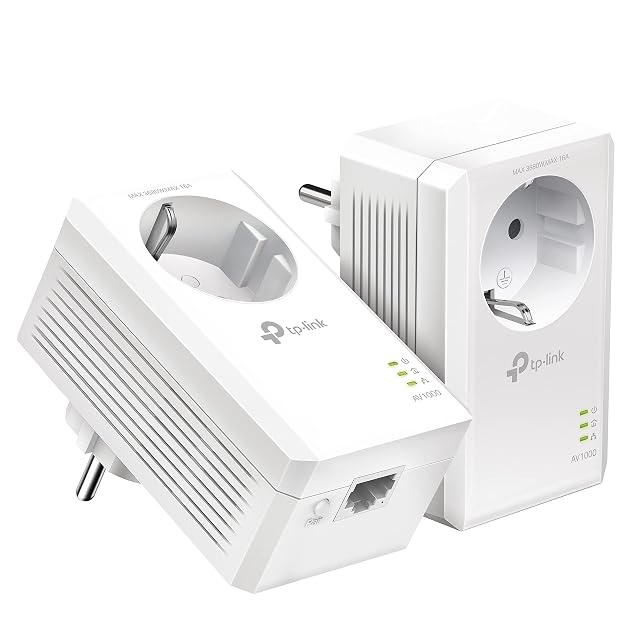
  • TP-Link TL-PA7017P KIT — A plain AV1000 pair on a three-bullet page with no offer on this date.
  • TP-Link TL-PA9020P KIT — The kit to buy on this shelf when sockets are the constraint: four gigabit ports, both outlets given back, and a page honest enough to say its own headline is a compatibility label.
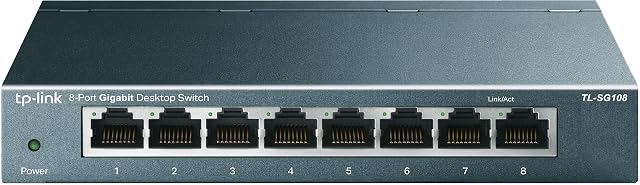
  • TP-Link TL-SG108 — The best-documented of the low-cost switches here: unmanaged, fanless, metal with shielded ports, flow control and a lifetime warranty, for $19.99 on this date.
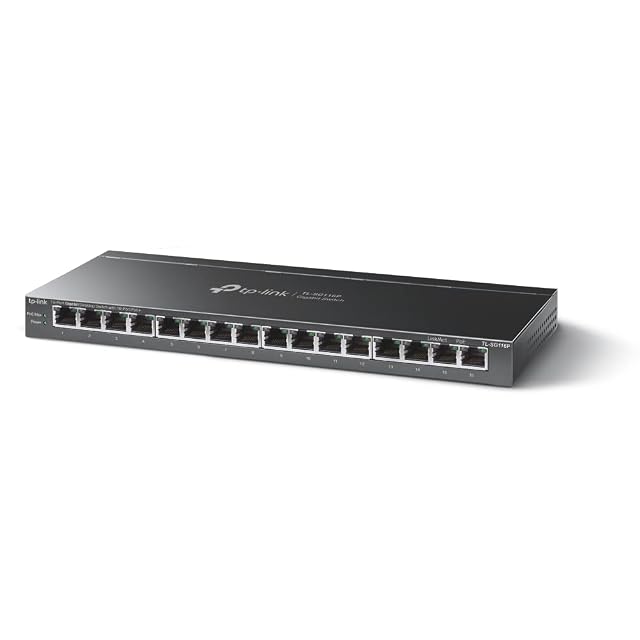
  • TP-Link TL-SG116P — Sixteen PoE+ sockets with sensible modes and a three-year warranty.
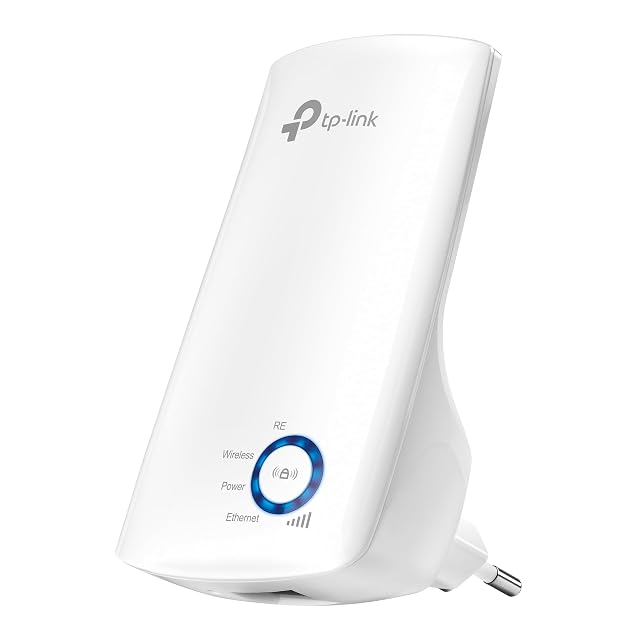
  • TP-Link TL-WA850RE — A plain single-band 300 Mbit/s extender with a 10/100 socket, and an access point mode its Amazon.com listing never mentions.
  • TP-Link TX201 — A plain 2.5-gigabit card with its brackets and operating systems stated.
  • TP-Link UE300 — A well made traveling adapter whose own Amazon.com page fails it.

Every price named in a summary was read on the date that review carries. What a shop asks today is shown beside the product, and it moves.