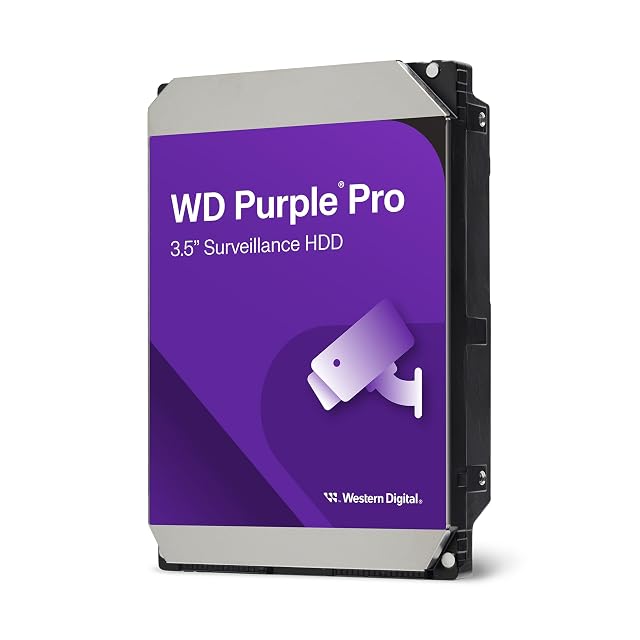
Second copy
The drive that holds the copy you would actually miss
The purchase with the best ratio of cost to consequence on this entire site is the second copy of files nobody could recreate. It is usually a modest drive, the heap it has to hold is smaller than people expect, and the specification that matters most is one nobody quotes: whether it can be disconnected.
By Jean-Benoit Buisson
Start from the heap, not from the total
A copy routine that tries to cover everything runs slowly, fills its destination and gets switched off. Separate out what cannot be replaced — photographs and video of people, documents you wrote, records, anything made rather than downloaded — and size the drive around that plus growth plus versions.
A second tier of costly-but-replaceable material — a ripped media collection, project files that could be rebuilt with effort — is worth copying too, and worth copying with less ceremony.
Anything downloadable again belongs in neither. Excluding it is what turns an impossible capacity problem into an ordinary purchase.
The specification nobody quotes: can it be disconnected
Anything permanently mounted can be reached by anything that reaches the machine, including software running with your own permissions. That is the property to break in at least one place.
A drive that is plugged in, copied to, and unplugged again is unfashionable and effective. For a heap that grows slowly, doing it monthly is a genuine defence against the class of event that no redundancy scheme touches. Two drives rotated between two locations is better still, because one of them is always out of the building.
That single consideration is why a plain external drive often beats a more sophisticated arrangement for this particular job.
Where the copy should live
Beside the machine, permanently connected, is the most convenient and the weakest. It covers a drive failure and nothing else about the building.
In a drawer, connected when used, covers hostile software and accidental deletion as well.
At another address — a relative’s house, a workplace, a remote service — covers the whole building: theft, fire, water. This is the part of the convention that people skip and the part that matters when it matters.
A sensible household arrangement is a connected drive for convenience and a rotated one for the rest. Where a remote service is used instead, the questions to ask its documentation are how long a deleted file stays recoverable and whether a compromised account can erase what it holds.
External enclosure or an internal drive
Both are valid copy targets and they have different strengths.
An internal drive in a desktop is quiet, inexpensive per terabyte, always available and easy to schedule. It shares the machine’s power supply and anything that reaches the machine, so it is a good first copy and a poor only one.
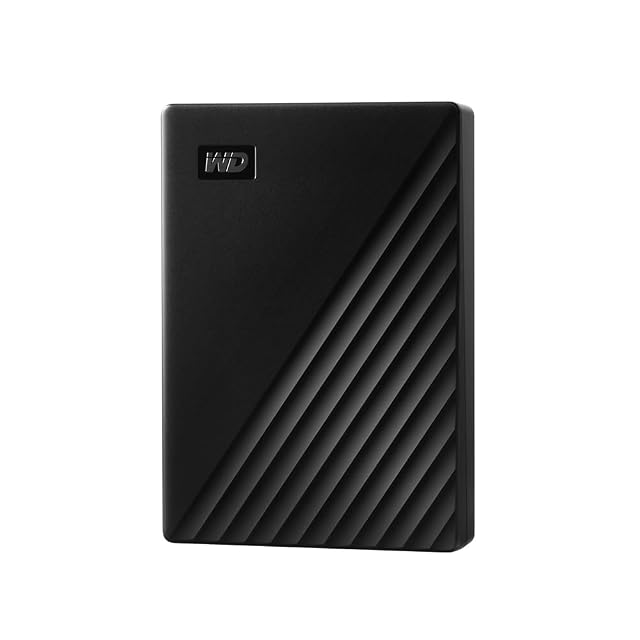
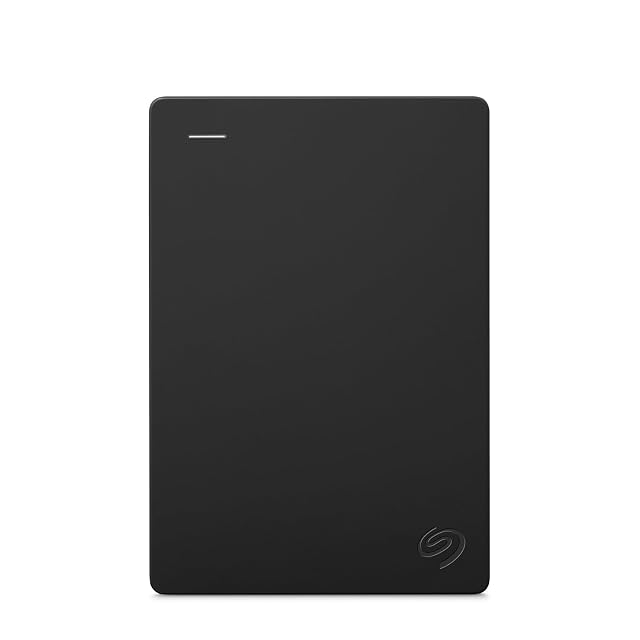
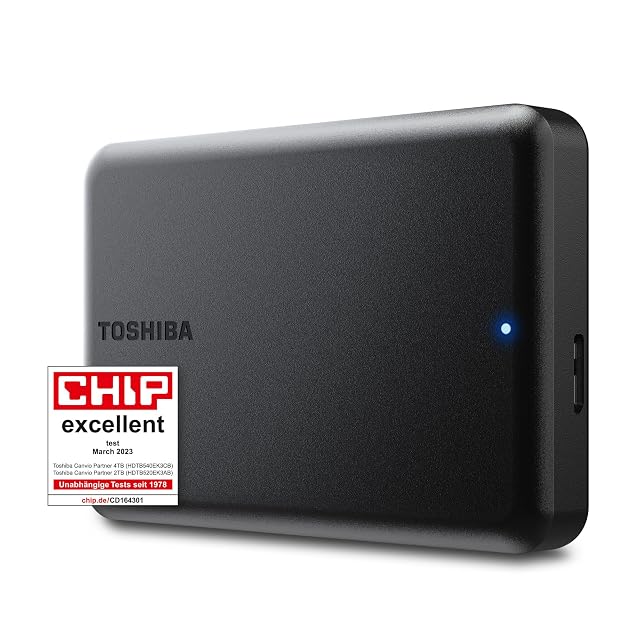
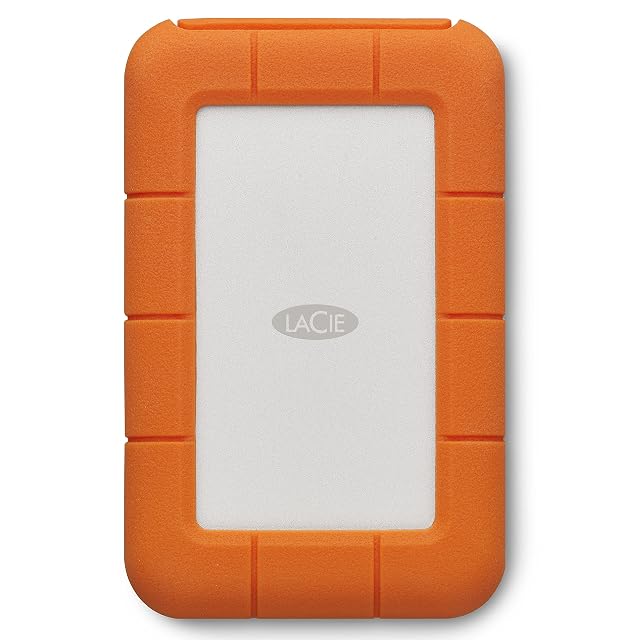
An external drive can be unplugged and moved, which is the whole argument. Read the connection — the port generation and the cable — because a copy of a large collection over a slow link is a copy that takes all night, and note whether it is powered from the port or from a mains adapter, since a mains-powered unit means one more thing to carry.
Mechanical drives remain where the capacity is, and a copy target is precisely the workload that does not care about access time.
Versions, not just a mirror
A copy that faithfully mirrors the current state of a folder will faithfully mirror a mistake. If a file was overwritten on Tuesday and the copy ran on Tuesday night, both versions are now the wrong one.
So the settings to look at in whatever software you use are how many previous versions are kept, how far back they reach, and how much space they may consume. Those versions are what recovers a file somebody saved over, and they only exist while the drive has room for them — which is why headroom is part of the capacity calculation rather than a nicety.
Automate it, then find out when it stops
An unautomated routine survives a few weeks of ordinary life. Schedule it, and then add the step people leave out: a message when it fails, sent somewhere you actually read.
A routine that silently stopped four months ago is worse than none, because decisions have been made on the assumption it was running. Put a reminder in a calendar to look at the copies quarterly, and restore one folder while you are there.
What the drive on this page cannot do
It cannot make an enclosure with redundant drives into a safe place for files, because that was never what redundancy did. And it cannot help if it has never been tested. A copy nobody has restored from is a copy nobody knows about, and the moment of discovery is always the worst available moment.