Skip to content

ASUS RT-AX52 Pro, dual-band AX3000 Wi-Fi 6 router vs Cudy WR3000, dual-band AX3000 Wi-Fi 6 router

Same badge on both boxes — does either page say what is behind it?

Both of these wear AX3000, and neither listing counts a socket of any kind — not a LAN port, not a WAN port, not a USB port. The ASUS RT-AX52 Pro at least divides its badge: 574 Mbit/s at 2.4 GHz and 2402 at 5 GHz, which come to 2976, so the number on the box rounds up by 24. The Cudy WR3000 describes its badge as a total network speed of about 3000 Mbps and never says how it divides.

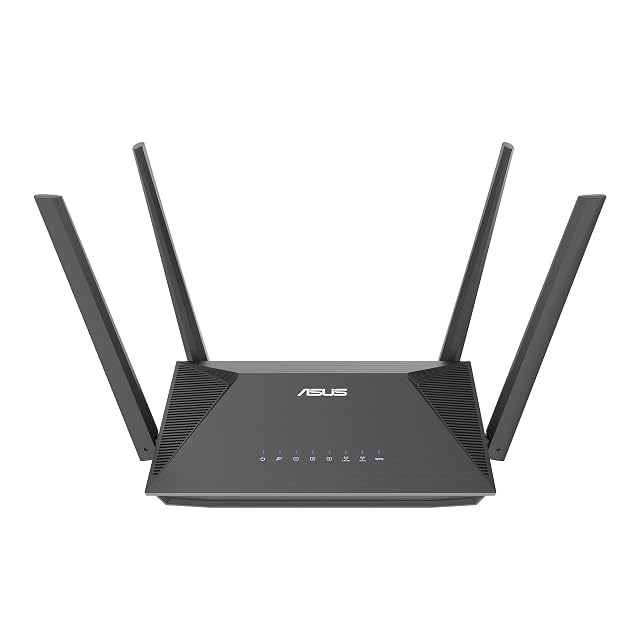
ASUS RT-AX52 Pro black router with four external antennas

ASUS RT-AX52 Pro, dual-band AX3000 Wi-Fi 6 router

Wins 3 of 10

Check price

≈ 45 €

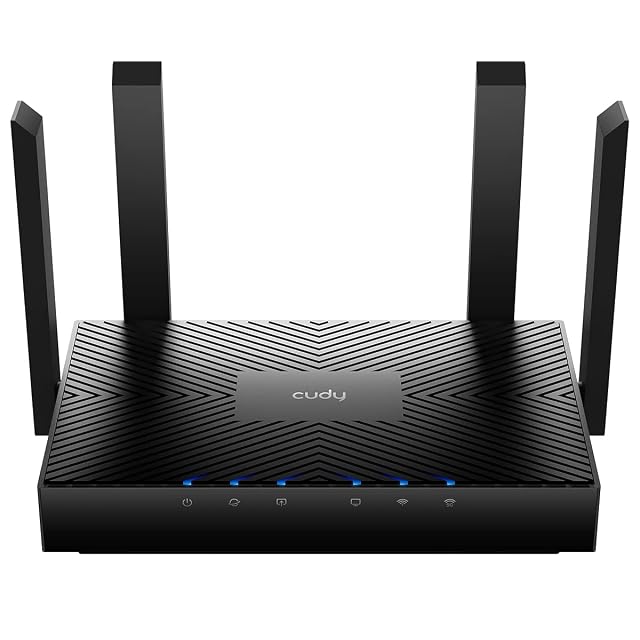
Cudy WR3000 white router with four external antennas raised

Cudy WR3000, dual-band AX3000 Wi-Fi 6 router

Wins 0 of 10

Check price

≈ $50 / £43 / 40 €

Line by line

Compared on RT-AX52 Pro, dual-band AX3000 Wi-Fi 6 router WR3000, dual-band AX3000 Wi-Fi 6 router
Wi-Fi generation Wi-Fi 6, in the title Wi-Fi 6, in the title and in the first bullet
IEEE designation 802.11ax, the only designation of its kind printed among the seven routers here Not published for this router — 802.11ac appears only as the older kind of router the maker measures itself against
Stated class figure AX3000, with both parts published: 574 and 2402 Mbit/s, coming to 2976 AX3000, described as a total of about 3000 Mbps from 160 MHz channels and 1024-QAM, undivided
Band count Two, each with a rate Two, dual-band, neither given a rate of its own
Stream count Not published — MU-MIMO, OFDMA and 1024-QAM are named instead Not published — the only stream figure on the page, 2×2, belongs to the older routers used as the comparison
WAN port speed Not published — no bullet names a socket for the incoming line Not published — no socket for the incoming line is named
LAN port speed Not published — no wired socket is counted, so none is rated Not published — no wired socket of any kind is named
Port count Not published — neither title nor bullet counts a socket Not published — none of the five bullets counts a socket
USB ports Not published Not published
Antenna arrangement Not published — no antenna is counted, rated or described Not published — beamforming is described, no antenna is counted

A tick means one listing published something the other did not, or published a better figure. It does not mean the product is better, and the column is not a score out of anything: a maker who says less loses lines here without losing a comparison. The two verdicts below are where the page is settled.

Which one, for whom

Buy the ASUS RT-AX52 Pro, dual-band AX3000 Wi-Fi 6 router

The RT-AX52 Pro is the better page of two thin ones. It prints 802.11ax, which nothing else on this shelf does, and it publishes both band rates, so the AX3000 on the box can be checked against them — 574 plus 2402 is 2976, and the badge rounds up. It supports AiMesh, so a second unit extends it later. What it never does is count a socket, which on a router is a real gap.

Buy the Cudy WR3000, dual-band AX3000 Wi-Fi 6 router

The WR3000 wears the same badge and explains less of it. About 3000 Mbps is offered as a total, the two bands are named without rates, and the 2×2 figure on the page belongs to the older routers used as the comparison rather than to this one. Seven of the ten rows here go unpublished on its listing. If the two are close on price, the ASUS page tells you more about what you are buying.

The questions that come up before an order

Where does AX3000 come from if the radios add up to 2976?

Class figures of this kind are the sum of the standard speeds of the radios, rounded to a marketing number. On the ASUS page the parts are printed — 574 and 2402 — so the arithmetic is visible and the badge is 24 above it. It is not a measurement of anything, and no single device connects at either the sum or the badge.

Does “no socket published” mean the router has none?

No. It means the listing does not count them. A router of this class almost certainly has wired sockets; the point of the row is that the page never says how many or how fast, so a buyer who needs four cannot confirm it before ordering. This site records what the page states, and stays out of what it does not.

The full reviews

  • Cudy WR3000, dual-band AX3000 Wi-Fi 6 router

    Wi-Fi 6 · AX3000, about 3000 Mbps stated · 160 MHz and 1024-QAM · seven of ten lines unpublished · not one socket counted

    A Wi-Fi 6 router that describes its processor down to the core and never mentions a single Ethernet socket.

    Best for: A buyer choosing on the radio side and the VPN feature list, who will confirm the socket count with the seller before ordering.

    ≈ $50 / £43 / 40 €

Every price named in a summary was read on the date that review carries. What a shop asks today is shown beside the product, and it moves.