Skip to content

FRITZ FRITZ!Repeater 1200 AX, Wi-Fi 6 mesh repeater with a Gigabit socket vs TP-Link TL-WA850RE, single-rate repeater with one LAN socket

Ten times the number on the box: what is actually behind it?

The gap between these two looks enormous and needs reading carefully. The FRITZ!Repeater 1200 AX states up to 3000 Mbit/s, which is exactly 2400 at 5 GHz plus 600 at 2.4 GHz — two radios summed, not a rate any device reaches. The TP-Link TL-WA850RE states 300 Mbit/s, a single figure with nothing being added to it, and names 802.11b, g and n as what it works with.

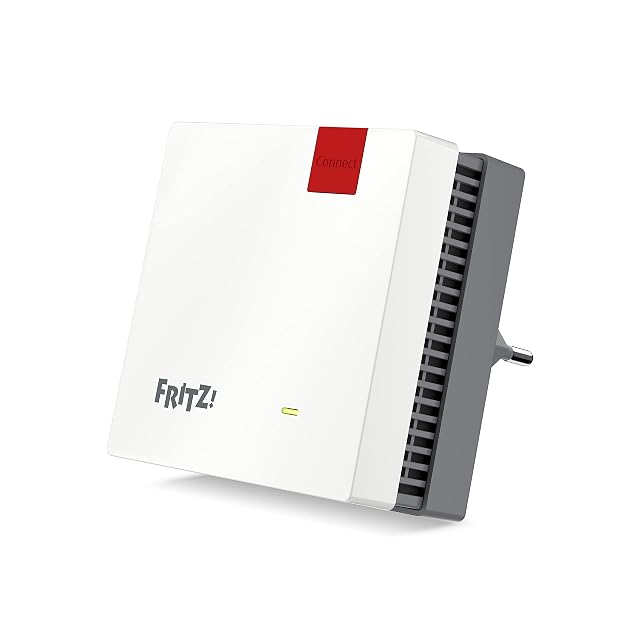
FRITZ Repeater 1200 AX white repeater with a red band and a status LED

FRITZ FRITZ!Repeater 1200 AX, Wi-Fi 6 mesh repeater with a Gigabit socket

Wins 4 of 9

Check price

≈ 83 €

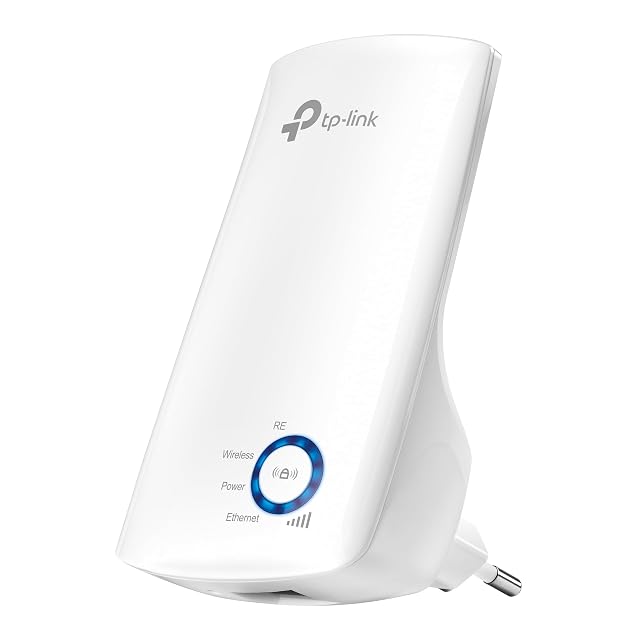
TP-Link TL-WA850RE small white plug-in repeater with a row of signal LEDs

TP-Link TL-WA850RE, single-rate repeater with one LAN socket

Wins 1 of 9

Check price

≈ 15 €

Line by line

Compared on FRITZ!Repeater 1200 AX, Wi-Fi 6 mesh repeater with a Gigabit socket TL-WA850RE, single-rate repeater with one LAN socket
Wi-Fi generation Wi-Fi 6, written WLAN AX in the third bullet Not published as a generation — compatibility is given as 802.11b, g and n, with no generation claimed for the unit itself
IEEE designation Not published — no 802.11 letter pair among the five bullets 802.11b, g and n, as the routers the repeater works with
Stated class figure Up to 3000 Mbit/s, which is exactly 2400 at 5 GHz plus 600 at 2.4 GHz; no AX badge is printed and the 1200 in the name is not explained 300 Mbit/s, a single figure with nothing being summed — a standard rate rather than a measured one
Band plan Two radios, rated, with cross-band repeating choosing the band automatically Not published — one rate, no frequency named for it, so whether there is one radio or two is unstated
Stream count Not published — the 160 MHz channel width is named as the mechanism, the streams are not Not published
Plug-in or desktop form Not published in words — an earthed socket adapter appears in the box contents Not published — signal LEDs are described as helping to find a position, and no body shape is described
Ethernet port count One, for a wired bridge or for devices with no radio of their own One, described for wiring televisions and consoles into the wireless network
Port speed Gigabit, without the 1000BASE-T designation behind the word Not published — the socket is named and counted, and no speed is given for it
Access point mode Not published as a named mode — the socket is stated to serve for a LAN bridge and the words access point are not used Not published — the socket is described only as a way of bringing wired devices into the wireless network

A tick means one listing published something the other did not, or published a better figure. It does not mean the product is better, and the column is not a score out of anything: a maker who says less loses lines here without losing a comparison. The two verdicts below are where the page is settled.

Which one, for whom

Buy the FRITZ FRITZ!Repeater 1200 AX, Wi-Fi 6 mesh repeater with a Gigabit socket

The 1200 AX is the current-generation unit and the one with the useful socket: gigabit, stated, which is the difference between extending a network and bottlenecking it at a hundred megabits. It repeats across bands automatically and joins a mesh. Its headline of 3000 Mbit/s is two radios added together, and the 1200 in its own name is never explained on the page — so read the parts, 2400 and 600, and ignore both.

Buy the TP-Link TL-WA850RE, single-rate repeater with one LAN socket

The TL-WA850RE is an older kind of device and its page is honest about the company it keeps: 802.11b, g and n, and a single rate of 300 Mbit/s. There is one LAN socket and no speed given for it, which on a unit of this vintage is the figure worth knowing. It is the cheaper way to push a signal into a back bedroom, and it will not carry a modern connection at anything like the rate the router in front of it can supply.

The questions that come up before an order

Is 3000 Mbit/s ten times faster than 300?

No. The 3000 is a sum of two radios — 2400 at 5 GHz plus 600 at 2.4 GHz — and no device connects to both at once. The 300 is a single standard rate on a single figure. The FRITZ! unit is genuinely the faster of the two by a wide margin, but the ratio on the boxes is not the ratio you will see.

Does a repeater halve the speed?

A repeater that receives and retransmits on the same radio shares its airtime between the two jobs. The FRITZ! page names cross-band repeating, which is the arrangement that avoids that by using one band towards the router and the other towards your devices. The TP-Link page names one rate and no frequency, so it does not answer the question either way.

The full reviews

Every price named in a summary was read on the date that review carries. What a shop asks today is shown beside the product, and it moves.