SanDisk warrants five years and never names the socket
The SanDisk drives here
A Gen 4 NVMe stick, a rugged portable SSD, a two-terabyte SATA drive and a metal-bodied flash drive with a Type-A plug.
What the pages promise
The portable drive publishes an IP65 ingress code, both sequential figures and a five-year term. The SATA drive publishes five years as well, and names the caching technology it credits with holding performance constant.
The lines that decide whether it fits, or reaches
The NVMe drive names neither a form factor nor a lane count, so its page says nothing about the shape of the thing being bought. The portable drive names USB-C as a shape and never the generation its socket has to meet, which is exactly what its 1050 MB/s depends on, and it counts no lead in the box. The SATA drive quantifies reading in three separate places and writing not at all, and the flash drive does the same thing more honestly: it prints 150 MB/s and puts the word reading next to it.
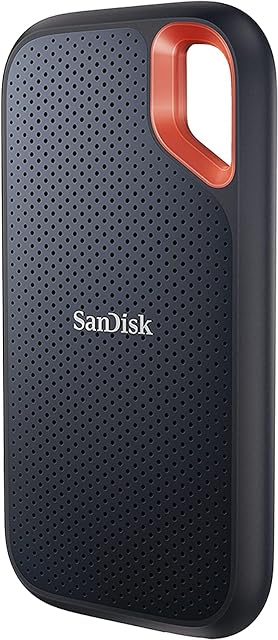
1 TB · USB-C named as a shape, no generation published · up to 1050 MB/s read · up to 1000 MB/s write · IP65 · five-year warranty · no lead counted · no TBW, no MTBF
A one-terabyte portable drive that publishes an ingress code, both sequential figures and a five-year term, and that never names the interface generation the socket has to meet.
Best for: Photographs and video taken outdoors, where a published ingress code and a long term matter and the buyer already owns the right lead.
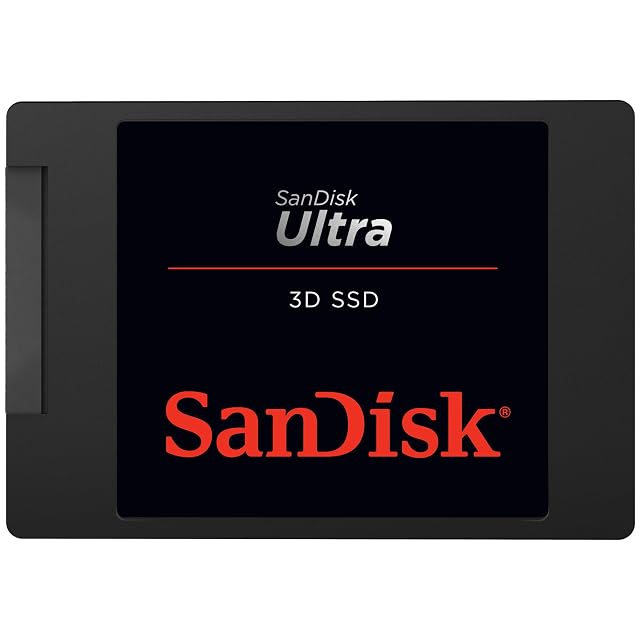
2 TB · 2.5-inch · up to 560 MB/s · a named caching technology said to hold performance constant · five-year limited warranty · no write figure, no TBW, no MTBF
A two-terabyte drive with a five-year term and a named caching technology the page credits with constant performance, and which publishes no figure for writing and no endurance quantity.
Best for: A laptop or a desktop machine wanting two terabytes with a long term, where reading is the dominant job and the writing rate can be confirmed with the seller.
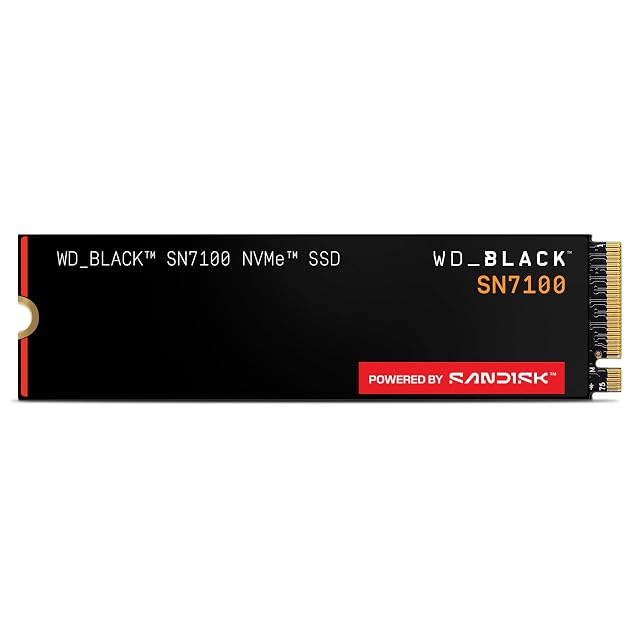
1 TB · PCIe Gen 4 · up to 7250 MB/s read · up to 6900 MB/s write · three-level cell memory named · no form factor, no lane count · no TBW, no MTBF, no warranty
A one-terabyte Gen 4 drive that publishes both sequential figures and the memory type, never names a form factor or a lane count, and ends its title in the middle of a phrase.
Best for: A machine whose slot is already known to take the common Gen 4 stick, where the pair of sequential figures is the requirement and the fit has been settled elsewhere.
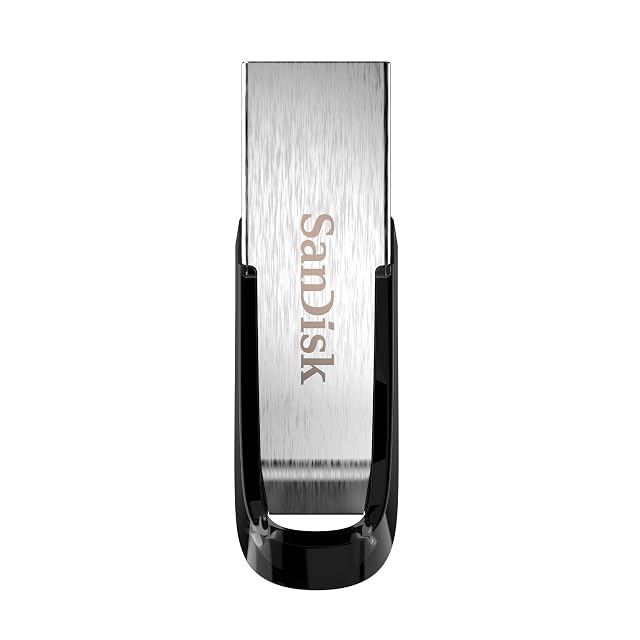
The drive on this shelf that labels its own number: 150 MB/s, and the word “read” beside it in the title and again in the contents line, with nothing at all said about writing.
Capacity
128 GB — stated in the title and again in the fifth bullet. The maker’s decimal figure, reported here in the maker’s unit
USB generation
USB 3.0 — stated in the second bullet and again in the fifth, which names the product as a SanDisk Ultra Flair USB 3.0 flash drive. No USB 3.1 or 3.2 designation appears
Stated link rate
Not published on the listing as a class rate — no figure in gigabits per second is given anywhere. The only rate on the page is 150 MB/s, which the listing attaches to the drive rather than to the port
Connector type
Type-A — stated in the title, which calls it a USB-A drive. No second connector is named and no Type-C variant is described
Stated read figure
150 MB/s — stated in the title as up to 150 MB/s for reading, and again in the fifth bullet as 150 MB/s read. The second bullet attaches the same number to USB 3.0 performance without naming a direction, so two of the three mentions say plainly which operation it describes
Stated write figure
Not published on the listing — no writing figure appears in any of the five bullets. The third bullet claims a feature film transferred onto the drive in under 30 seconds, which describes a write operation as a duration rather than as a rate, and names no file size to go with it
Body design
A metal casing described as robust and shock-resistant in the third bullet, with a slim design named as the reason it looks the way it does. No cap and no retracting mechanism is mentioned, and no dimensions or weight are given
Keyring provision
Not published on the listing — no loop and no eyelet is named. The photograph is the only source, and this page does not read specifications off photographs
Stated ingress rating
Not published on the listing — the shock resistance claimed in the third bullet is not a water or dust rating, and no IP code appears
Warranty length
Not published on the listing — what the first bullet does publish is a one-year subscription to RescuePRO recovery software, which is a licence period and not a warranty on the drive
Amazon reference
B015CH1PJU (same reference on 6 Amazon marketplaces)
EAN
0619659136710
Puts the word “read” beside its own figure, which four listings on this shelf never do
Ships with a named recovery utility and states how long the subscription runs
No write figure at all, on a drive whose read figure is the highest number printed here
Best for: A machine with Type-A sockets where files come off the drive more often than they go on to it — a media library carried between computers rather than a working folder.