Skip to content

Cudy

Cudy documents the radio down to the backhaul

Two Cudy units

A tri-band Wi-Fi 7 node sold singly, and a dual-band Wi-Fi 6 router.

The best-documented radio in its family

The Wi-Fi 7 node publishes three band rates, names a dedicated 6 GHz backhaul and counts four 2.5-gigabit sockets, one of them the WAN. In a family where sockets go routinely uncounted, that is a specification an installation can be planned from.

Where the same maker goes quiet

The node’s badge is 223 Mbit/s larger than the figures printed beneath it, and its two published coverage areas contradict each other. The router describes its processor down to the core, names 160 MHz channels and 1024-QAM, and never mentions an Ethernet socket — which leaves the wired half of a router entirely to the seller.

Every Cudy unit reviewed here

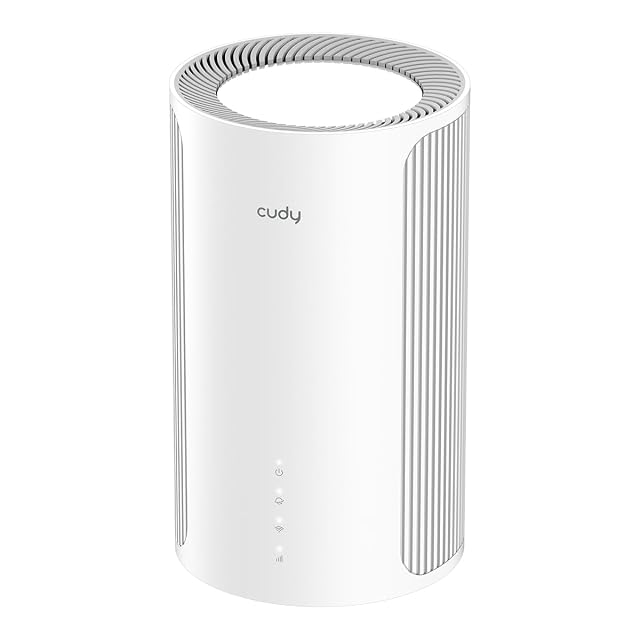
  • Cudy M11000, BE11000 tri-band Wi-Fi 7 node sold singly

    Wi-Fi 7 · BE11000 badge over 10 777 Mbit/s published · dedicated 6 GHz backhaul · four 2.5G sockets, one WAN · 110 m² stated

    The most completely specified unit in this group: three band rates, a named backhaul, four multi-gigabit sockets — and a badge 223 Mbit/s larger than the figures printed beneath it.

    Best for: A household on a multi-gigabit line that wants every socket faster than a gigabit and a 6 GHz lane kept clear between nodes.

    ≈ $150 / £150 / 144 €
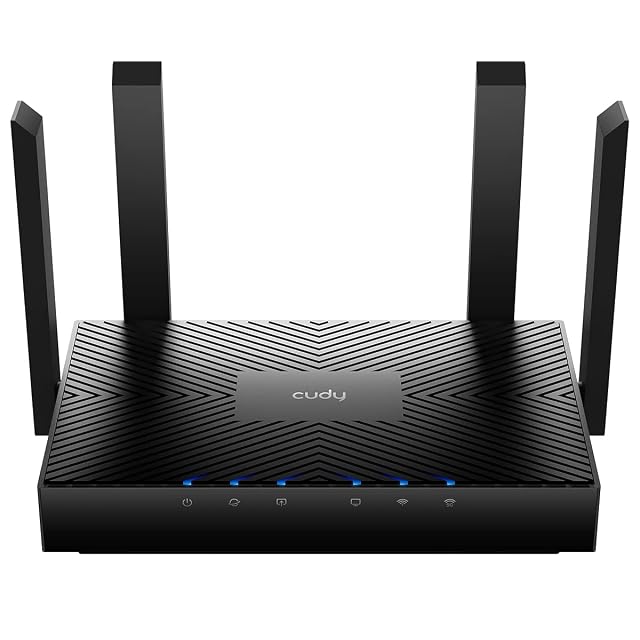
  • Cudy WR3000, dual-band AX3000 Wi-Fi 6 router

    Wi-Fi 6 · AX3000, about 3000 Mbps stated · 160 MHz and 1024-QAM · seven of ten lines unpublished · not one socket counted

    A Wi-Fi 6 router that describes its processor down to the core and never mentions a single Ethernet socket.

    Best for: A buyer choosing on the radio side and the VPN feature list, who will confirm the socket count with the seller before ordering.

    ≈ $50 / £43 / 40 €

Every price named in a summary was read on the date that review carries. What a shop asks today is shown beside the product, and it moves.